
A Year After the Flood, Lessons from the River
As published in the Lake Travis View, Austin American Statesman, July 2026
As Independence Day approaches, many of us will spend time enjoying the lakes, rivers and creeks that define life in the Texas Hill Country. We will gather with family and friends on shorelines, boat docks and riverbanks, celebrating the natural beauty that makes Central Texas such a special place to call home.
This year, however, the holiday also marks a solemn anniversary.
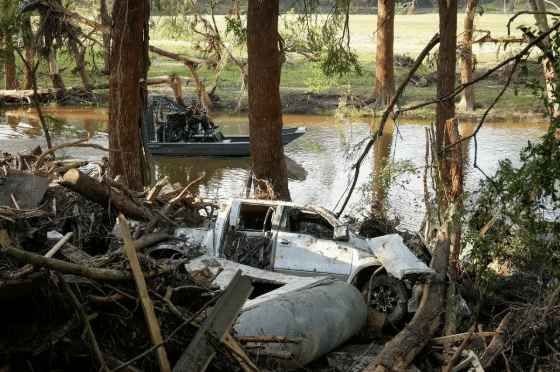
One year ago, during the Fourth of July weekend, catastrophic flooding swept through the Texas Hill Country. Along portions of the Guadalupe River, water levels rose more than 37 feet in a matter of hours. Entire communities were forever changed, more than 130 lives were lost and families across the region experienced unimaginable grief.
The flood left physical scars as well. An estimated 52% of riparian vegetation in Kerr County was lost, and nearly 1.8 million cubic yards of debris had to be cleared from riverbanks and floodplains. Yet in the midst of tragedy emerged remarkable stories of courage, resilience and community.
One of the most powerful accounts came from Texas Monthly journalist Aaron Parsley, whose Pulitzer Prize-winning feature recounted the terrifying moments when floodwaters swept away his family’s river house and claimed the life of his young nephew. His story reminded readers that even those who know and respect our waterways can be overwhelmed by their immense power.
The recently released documentary “Hope for the Guadalupe: The River Will Heal” offers another perspective on the disaster. What began as a film project about Texas rivers transformed into a story of recovery, documenting the volunteers, landowners, biologists, conservationists and community groups working to restore the river and the lives connected to it.
Together, these stories remind us of an important truth: water is both one of our greatest resources and one of nature’s most powerful forces.
For those of us who live in Central Texas, this reality is nothing new. Our region has always been defined by extremes: long periods of drought are often interrupted by intense rainfall events capable of transforming peaceful streams into raging torrents within hours.
The same landscape that experienced historic flooding last summer has also endured years of severe drought. Lake Travis, one of the two reservoirs in the Highland Lakes chain, has fluctuated more than 96 feet between its recorded high (December 1991) and low (August 1951) water levels. Such dramatic swings illustrate the reality of living in a region where drought and flood are not opposites. They are part of the same natural cycle.
Several factors contribute to these extremes. The Texas Hill Country is often referred to as “Flash Flood Alley” because of its steep terrain, shallow soils and underlying limestone. During heavy rainfall, much of the water cannot soak into the ground quickly enough and instead rushes into creeks and rivers. At the same time, prolonged heat and dry conditions can rapidly deplete soil moisture, groundwater supplies and reservoir storage.
As Central Texas continues to grow, the way we manage our landscapes becomes increasingly important. Roads, rooftops, parking lots and compacted soils increase runoff and reduce the amount of rainfall that can naturally infiltrate the ground. Less infiltration means less groundwater recharge, which helps sustain streamflow during dry periods.
This is why protecting our waterways involves much more than conserving water during drought. It requires caring for the entire watershed.
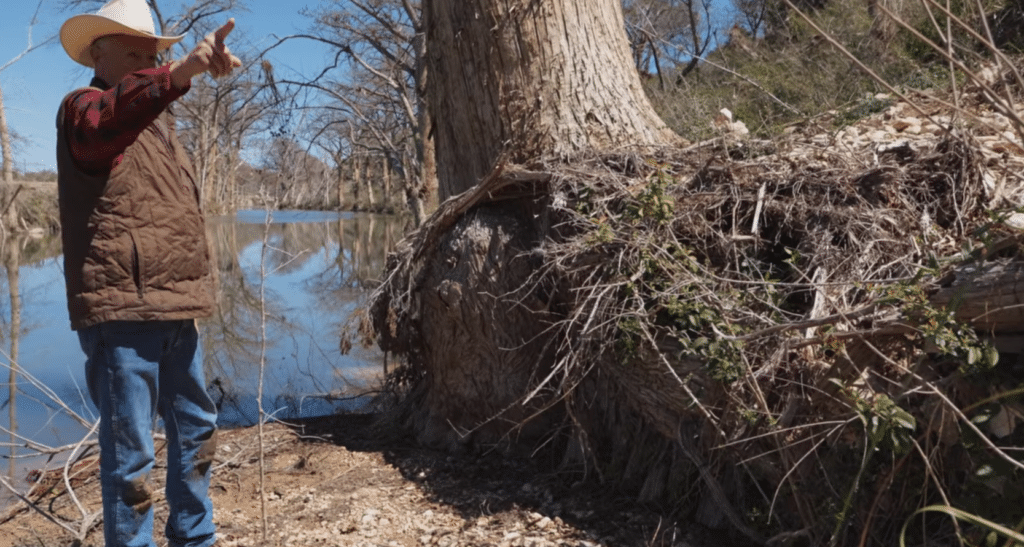
Healthy riparian corridors — the areas of native vegetation along rivers, streams and shorelines — serve as natural infrastructure. Trees, grasses and native plants help stabilize soil, reduce erosion, filter pollutants and slow floodwaters. Their root systems improve the soil’s ability to absorb and store water, allowing it to slowly recharge groundwater and sustain streamflow long after a storm has passed.
The restoration efforts underway along the Guadalupe River are being led by a coalition of landowners, conservation organizations, volunteers and community partners, including the Hill Country Alliance, Kerr County River Foundation, San Antonio Botanical Garden and Hunt Preservation Society. Together with dozens of Texas nurseries and countless volunteers, these groups are helping restore riparian habitats by planting tens of thousands of native trees — including cypress, sycamore and walnut — while reestablishing native grasses and vegetation that stabilize riverbanks and improve flood resilience. Their goal is not simply to repair flood damage, but to strengthen the river’s ability to withstand future droughts and floods alike.
The good news is that every resident can play a role in protecting our local waterways.
Simple actions make a difference. Conserving water helps preserve reservoir supplies during dry periods. Planting native vegetation reduces runoff and erosion while supporting pollinators and wildlife. Limiting fertilizer use helps protect water quality. Properly disposing of pet waste, motor oil, paint and household chemicals prevents pollutants from reaching our lakes and streams through storm drains.
Perhaps most importantly, we can respect the natural systems that support healthy watersheds. Leaving native vegetation intact near creeks and shorelines, preserving natural drainage areas and reducing impervious surfaces on our properties all contribute to healthier waterways and more resilient communities.
The anniversary of the 2025 flood is a reminder of how quickly conditions can change in Central Texas. It is also a reminder that stewardship matters. The same trees, grasses, wetlands and riparian corridors that help absorb floodwaters also help sustain rivers during drought. Healthy waterways protect communities, support wildlife, recharge groundwater, and provide the recreational opportunities that enrich our quality of life.
As we celebrate this Fourth of July, let us remember those affected by last year’s tragedy, honor the many people who continue working toward recovery and recommit ourselves to protecting the lakes, rivers, streams and aquifers that sustain our region.
Because in Central Texas, water is never standing still. It is always moving, always changing and always deserving of our respect.
Stephanie Threinen is the public information liaison for the Lakeway Municipal Utility District. Earl Foster is its general manager.
 You are now being redirected to the WaterSmart page.