
Mushroom Blocks 101 for Home Gardeners (video)
Presenter: Kelly Myers, Myers Exterior Design
LMUD Monthly Garden Club presentation, May 18, 2026
Turning “Waste” Into Living Soil for a Healthier Landscape
In fungal-rich ecosystems, nothing is wasted. Organic matter is continuously recycled into new life, healthier soil, and stronger plants.
Presented by Kelly Myers of Myers Exterior Design, this presentation explored the surprising power of mushroom blocks and how gardeners can use them to improve soil, support trees, reduce waste, and even help restore damaged ecosystems.
A retired insurance professional turned sustainable landscape designer, Myers combines her background in sustainable agriculture with a passion for native landscaping and ecological restoration in Central Texas. While she notes she is “not a mycologist,” her fascination with fungi reveals just how valuable mushrooms can be for gardeners and communities alike.
What Are Mushroom Blocks?
Mushroom blocks—also called spent mushroom substrate—are made from a blend of:
- Sawdust
- Grains
- Nutrients
- Mycelium (the white fungal network)
These blocks are grown in plastic bags inside carefully controlled environments with temperatures between 65–75°F and humidity levels around 80–90%. After several weeks, the blocks become fully colonized with mycelium, and the bags are cut to allow mushrooms to fruit.
Within just a few days, mushrooms are ready for harvest.
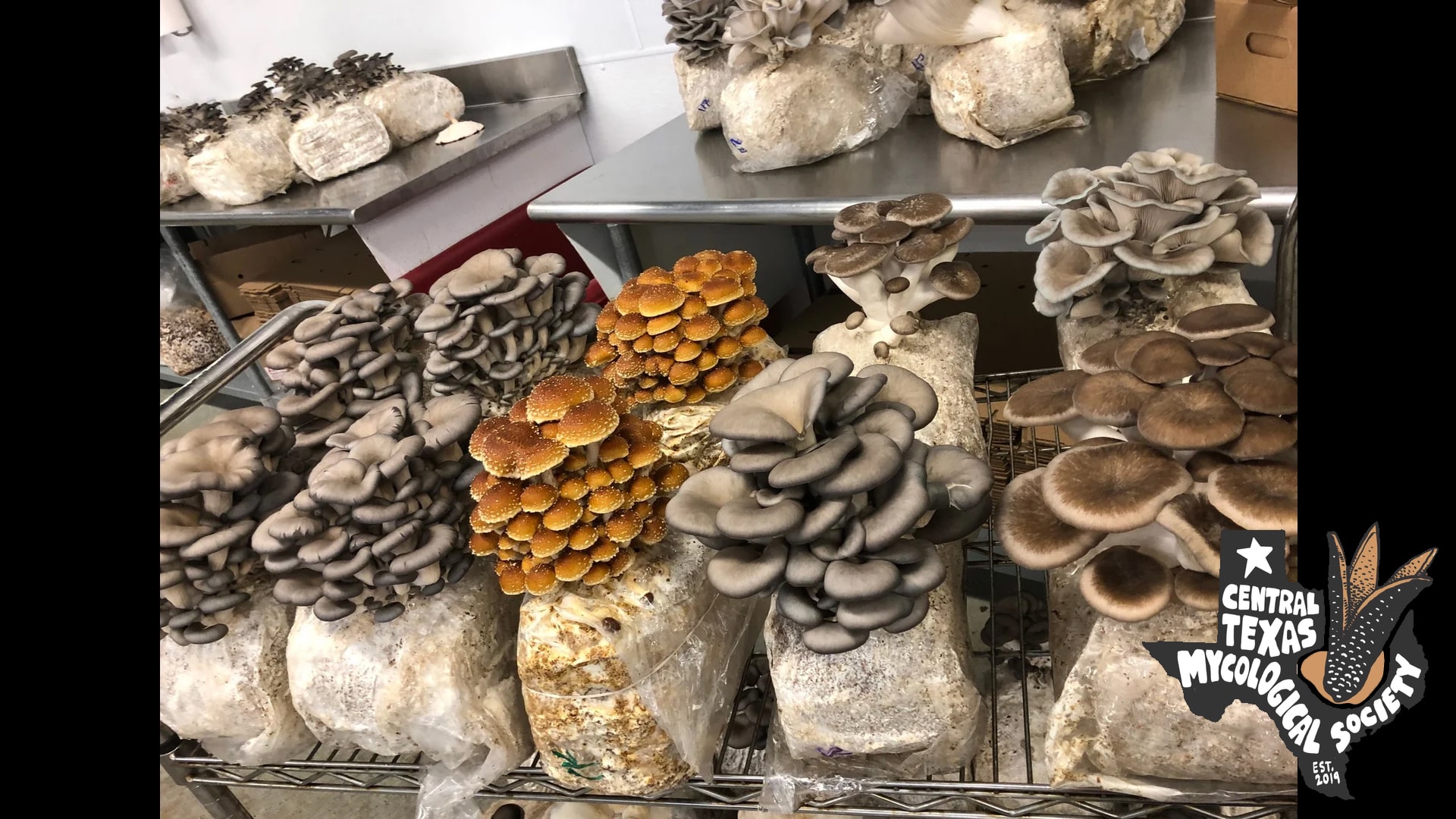
The problem? Mushroom farming generates an enormous amount of waste. Globally, an estimated five million tons of spent mushroom substrate are discarded every year. Mushroom cultivation can produce up to three times its weight in waste material, much of which ends up in landfills where it contributes to methane emissions and environmental degradation.
Instead of viewing these blocks as waste, gardeners can see them as a valuable soil-building resource.
Why Recycling Mushroom Blocks Matters
Reducing Waste and Greenhouse Gases
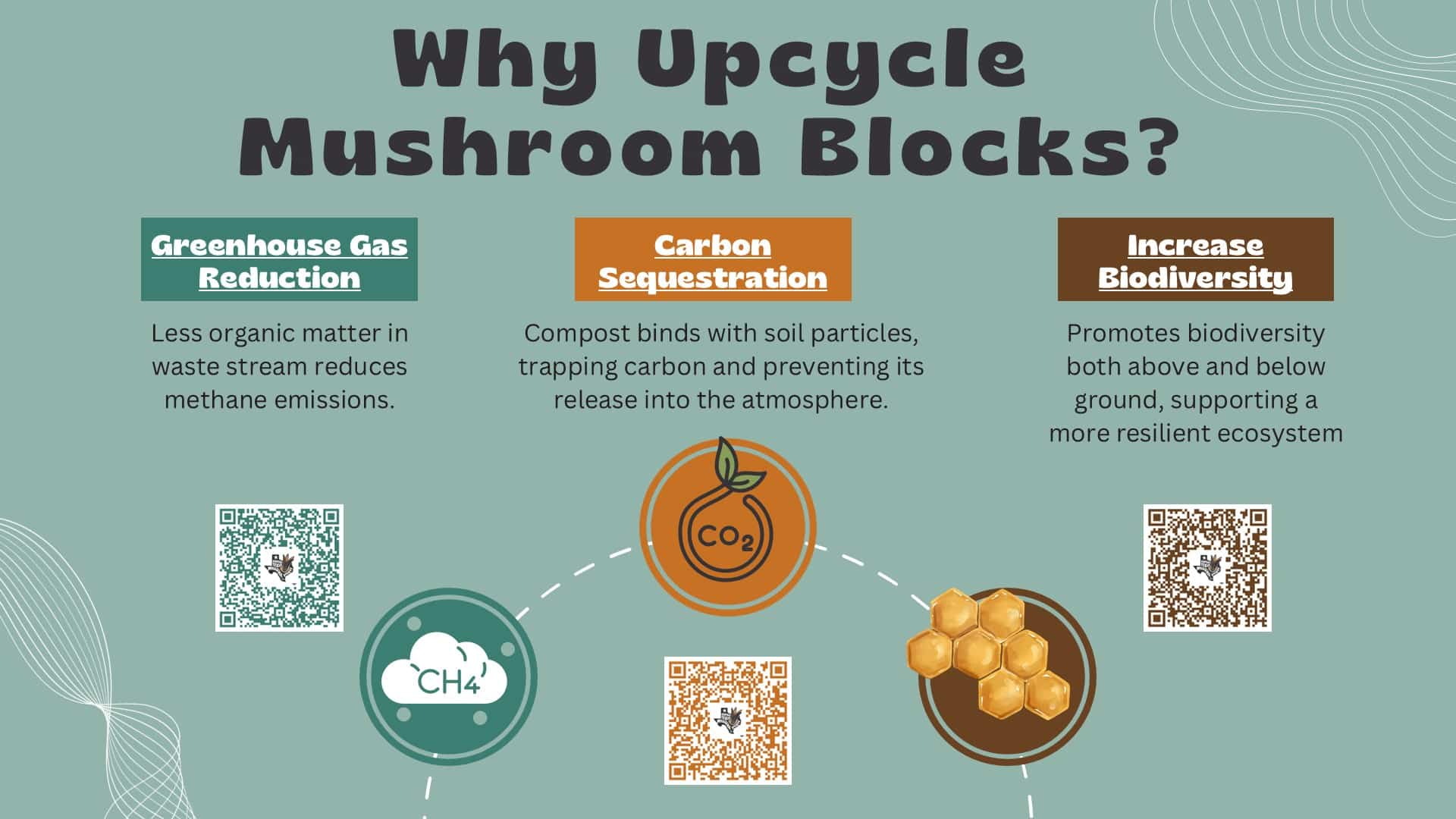
Keeping mushroom blocks out of landfills helps reduce methane emissions caused by decomposing organic matter. Organizations in Central Texas are now working to divert these blocks from the waste stream and put them back into gardens and landscapes where they can continue contributing to healthy ecosystems.
Building Healthier Soil
Mushroom blocks are rich in fungal life and organic matter. When added to soil, they can:
- Improve water retention
- Increase soil porosity and infiltration
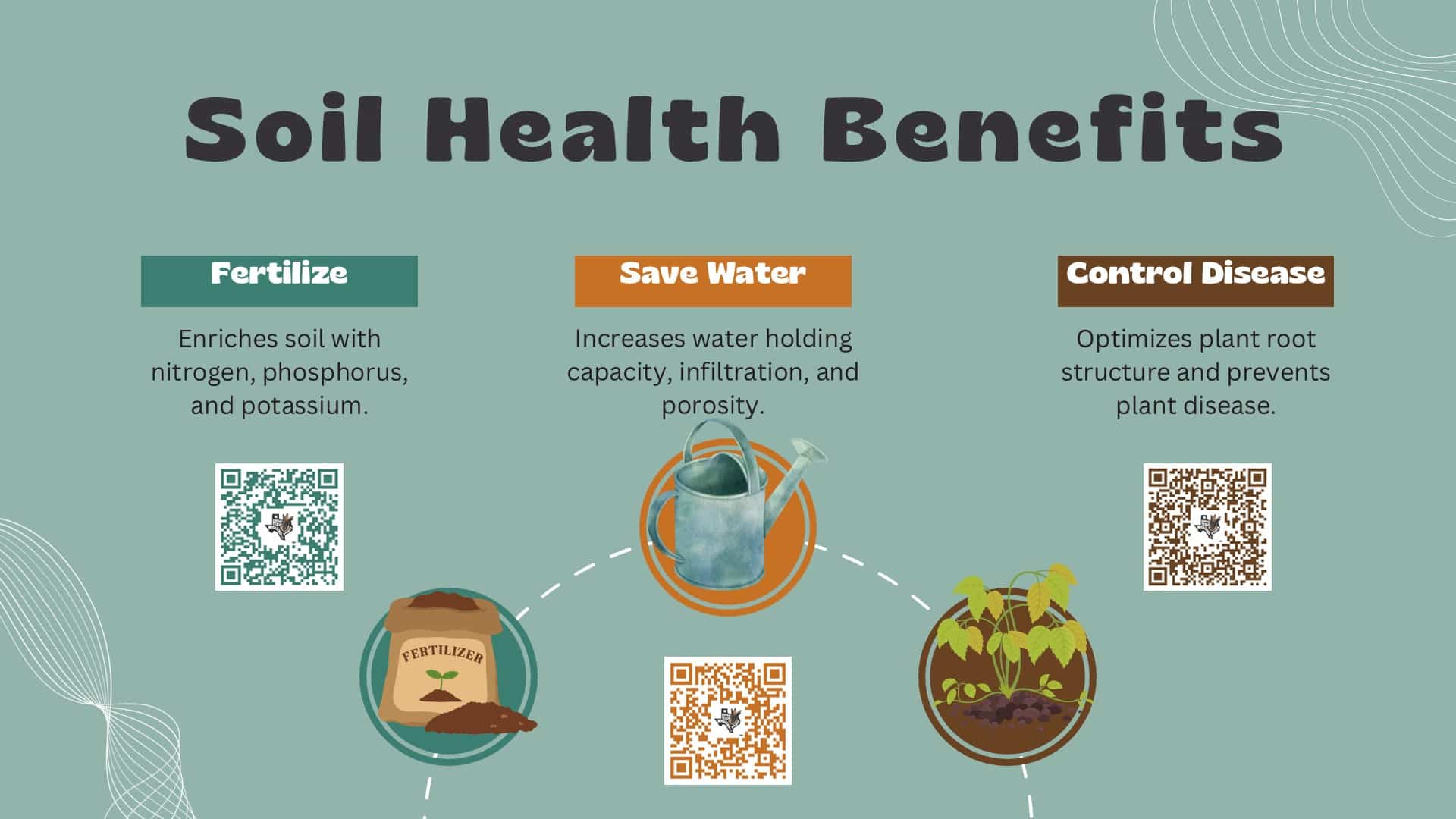
- Add nutrients like nitrogen, phosphorus, and potassium
- Support beneficial microorganisms
- Improve plant resilience and disease resistance
This is especially important in Central Texas, where soil is often rocky, clay-heavy, nutrient-poor, and dominated by bacteria rather than fungi.
Mycelium creates underground pathways that help water move deeper into the soil, improving drought resilience and long-term soil structure.
Increasing Biodiversity
Fungal-rich soils support healthier ecosystems above and below ground. Mushroom blocks encourage microbial activity, beneficial insects, and stronger root systems while helping landscapes become more resilient over time.
Understanding the Different Types of Mushroom Compost
Wood-Loving Mushrooms
This is the only type available from distribution locations through Central Texas Mycology Society.
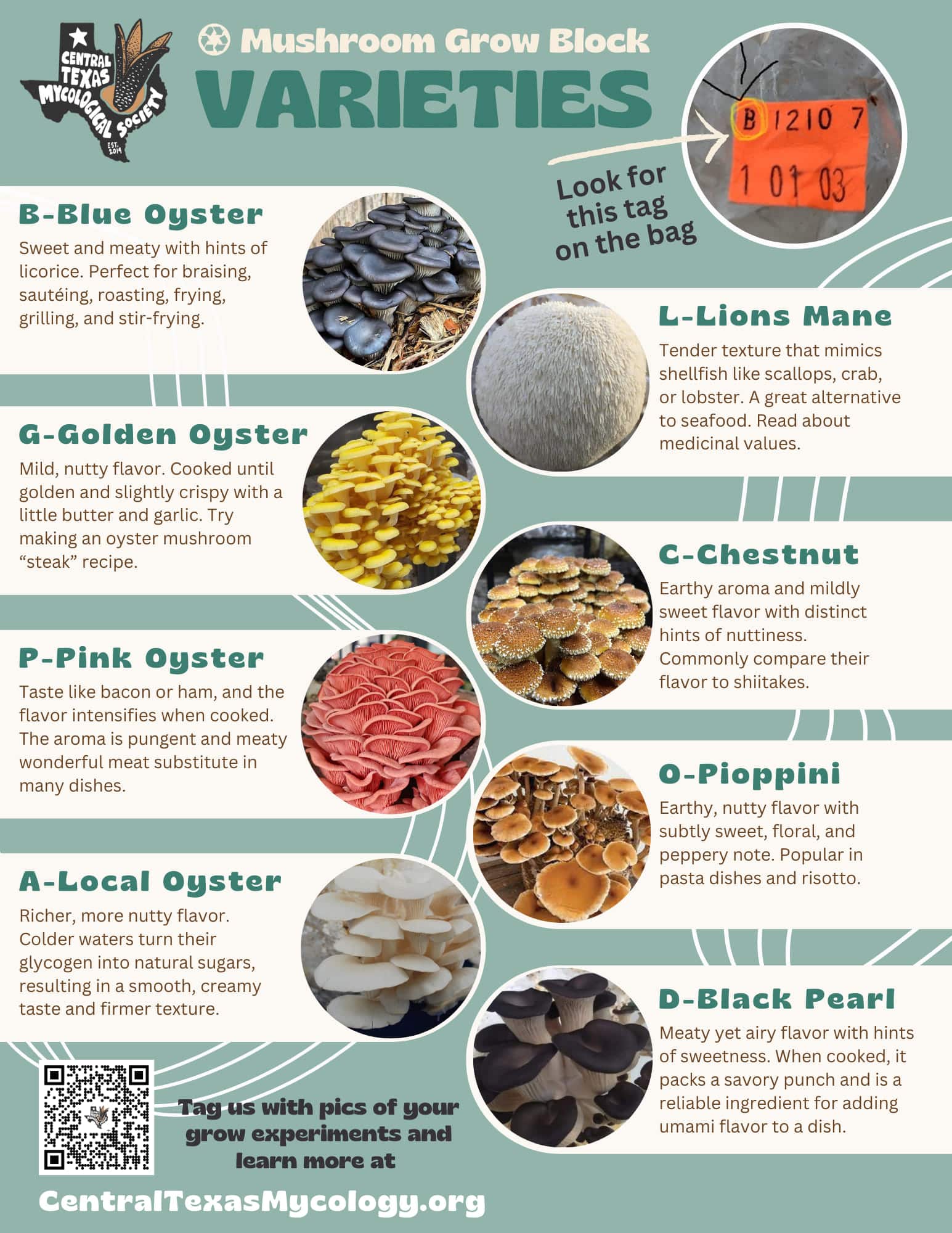
The mushroom blocks commonly distributed for gardening are made from wood-loving species such as:
- Oyster mushrooms
- Lion’s Mane
- Chestnut mushrooms
- Reishi
- Shiitake
- Pioppino
These are ideal for gardens, mulch beds, composting systems, and tree care.
Dung-Loving Mushrooms
Other mushroom varieties, including:
- Portobello
- White Button
- Crimini
are grown differently and may contain soluble salts that are less desirable for some garden applications.
How to Grow More Mushrooms From a Spent Block
Even after the first harvest, mushroom blocks often continue producing mushrooms.
Steps for a Second Flush
- Keep the mycelium inside the original plastic bag
- Store it in a cool, humid area away from direct sunlight
- Maintain temperatures around 65–75°F
- Mist the block with water 2–3 times daily
After a few weeks, small “pins” or baby mushrooms may appear. Once this happens, continue watering consistently and harvest mushrooms before the caps begin curling upward.
Harvesting before the edges flip up helps prevent excessive spore release. Because mushrooms continue releasing spores, growers recommend keeping blocks outdoors rather than indoors.
A practical reminder from the presentation: don’t forget about your block. Setting reminders to check on it regularly can make the difference between a successful flush and a dried-out experiment.
Mushroom Blocks and Tree Care
Protecting the tree canopy is an important part of preserving the natural beauty of communities like Lakeway.
Adding mushroom blocks to mulch around trees creates fungal-rich soil conditions similar to those found in natural forests. The fungi help:
- Retain moisture
- Feed beneficial microorganisms
- Break down organic matter like oak leaves
- Improve overall soil biology around roots
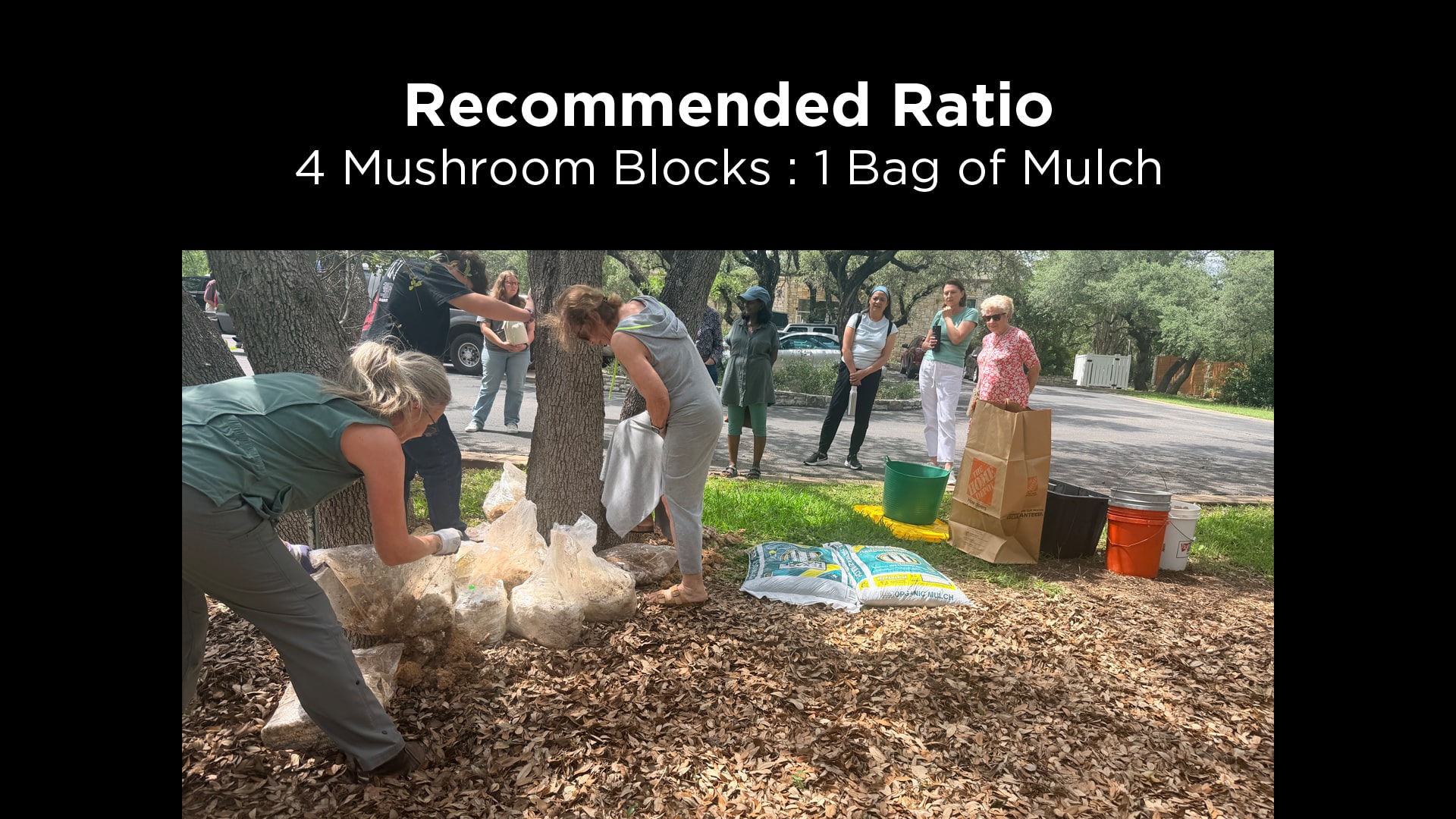
A suggested application ratio from the presentation is approximately four mushroom blocks per bag of mulch.
An added bonus for gardeners: deer generally do not eat the mushroom blocks.
“Garden Gold”: Why Green Mold Is Actually Valuable
One of the most surprising lessons from the presentation was that green mold on mushroom blocks can actually benefit gardens.
What Is Trichoderma?
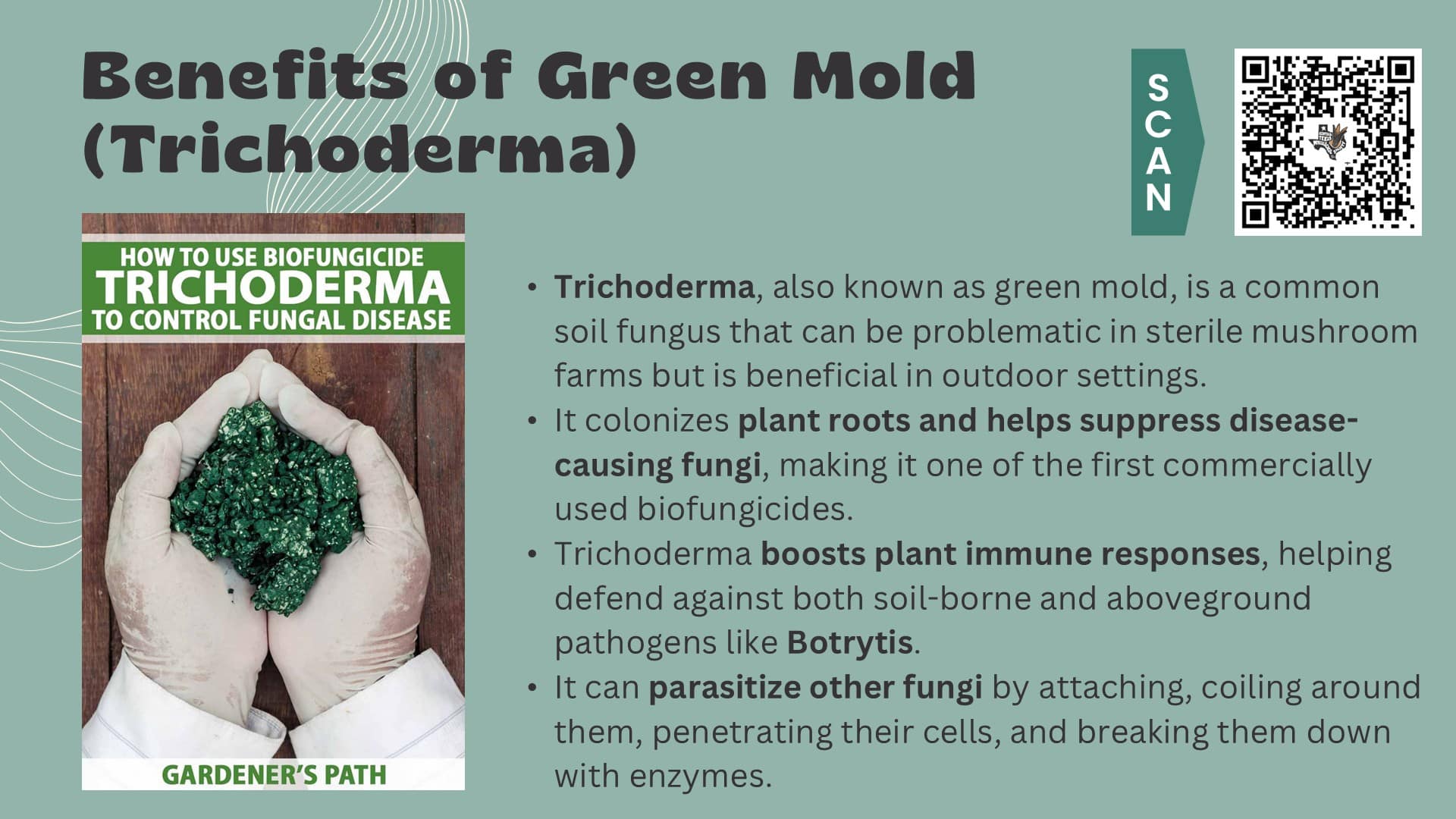
When temperatures rise above 80°F, mushroom blocks may develop green mold known as Trichoderma. While this fungus can be problematic for mushroom growers, it is highly beneficial in outdoor soils.
Benefits of Trichoderma
- Suppresses harmful soil fungi
- Strengthens plant immune systems
- Acts as a natural biofungicide
- Helps protect plants from diseases like Botrytis
- Breaks down competing fungi through enzymatic activity
Rather than throwing away blocks with green mold, gardeners can use them as powerful soil amendments.
Creative Ways to Use Mushroom Blocks in the Garden
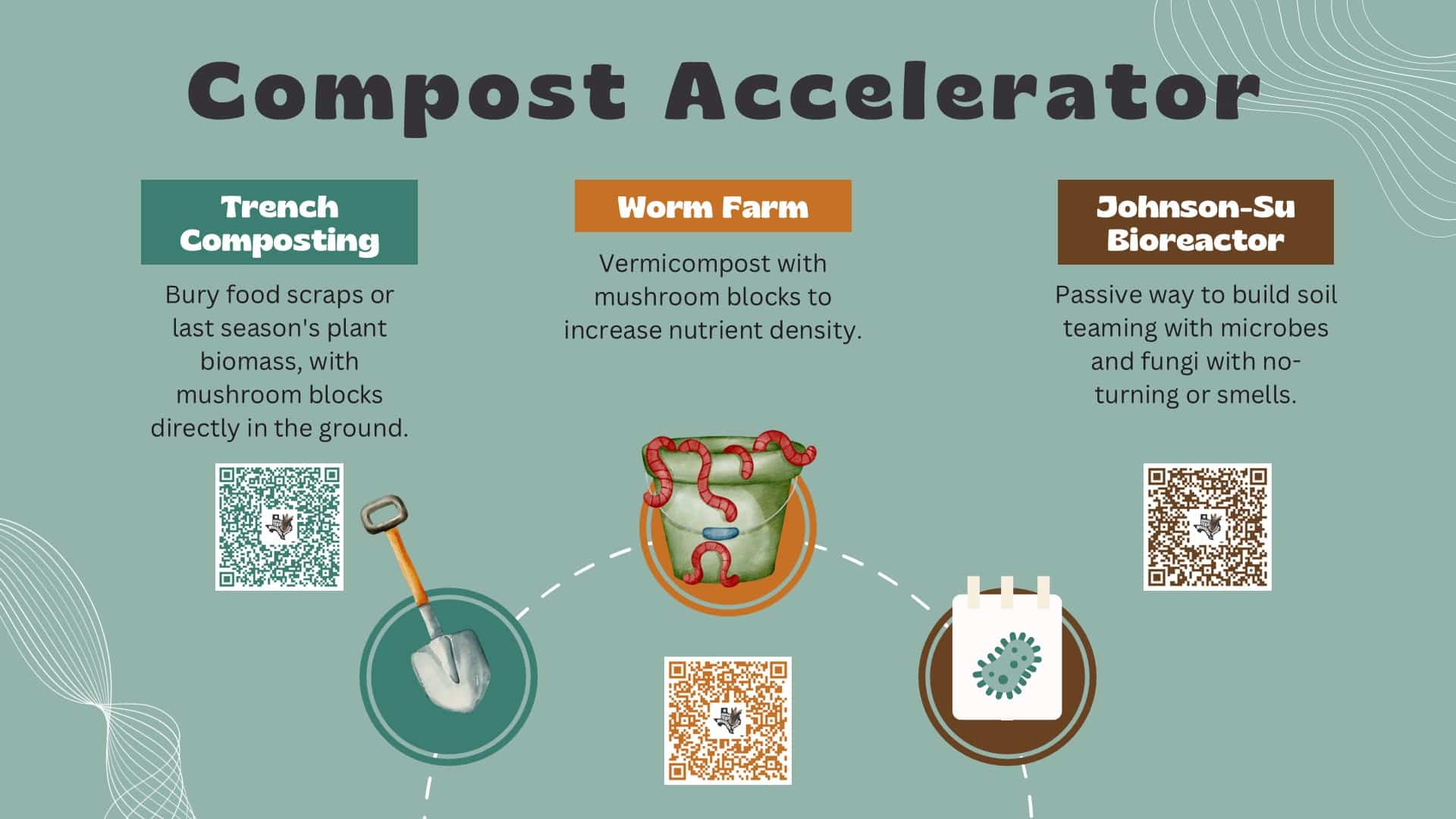
Compost Accelerator
Mushroom blocks speed up decomposition and can help break down:
- Food scraps
- Leaves
- Old garden material
- Plant biomass
Trench Composting
Gardeners can bury food waste and spent mushroom blocks directly in the ground, allowing fungi to accelerate decomposition naturally.
Vermicomposting and Worm Farms
Adding mushroom blocks to worm bins can increase microbial diversity and nutrient density in vermicompost.
Johnson-Su Bioreactors
These passive composting systems create highly fungal, microbe-rich compost without turning or unpleasant odors.
Erosion Control
Fungi help stabilize soil by binding particles together and improving moisture retention, making mushroom blocks useful in erosion-prone areas.
Using Mushroom Blocks to Replace Turf
One especially practical application discussed was using mushroom blocks to help remove lawns and build healthy planting beds.
How to Kill Your Lawn Naturally
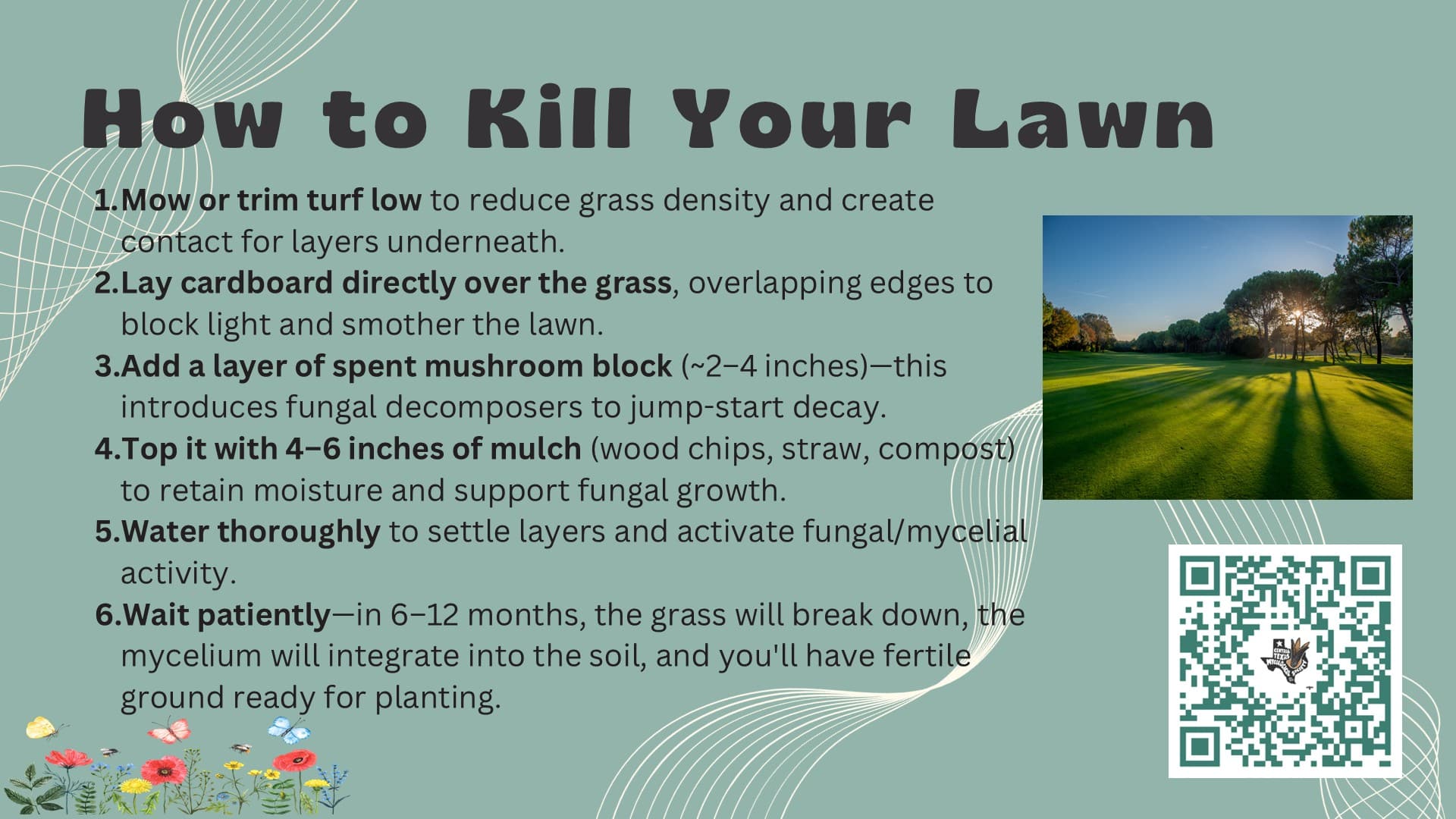
- Mow grass as short as possible
- Cover turf with overlapping cardboard
- Add 2–4 inches of spent mushroom blocks
- Top with 4–6 inches of mulch or wood chips
- Water thoroughly
- Wait 6–12 months for decomposition
Over time, the grass breaks down while the mycelium integrates into the soil, creating rich, plant-ready ground.
An important note: simply spreading mushroom blocks over grass will fertilize it rather than kill it.
Nature’s Tiny Predator: Mushrooms vs. Nematodes
Oyster mushrooms have developed a fascinating survival strategy in nitrogen-poor environments.
The fungi release compounds that attract nematodes, then produce toxins that paralyze them. The fungal strands enter the nematodes and digest them from the inside out, allowing the fungi to obtain nitrogen.
This remarkable process highlights the complexity and intelligence of fungal ecosystems.
Mushrooms and Environmental Cleanup
Fungi are increasingly being studied for their ability to break down pollutants through a process called mycoremediation.
Research highlighted in the presentation suggests certain mushrooms may help degrade:
- Oil and petroleum hydrocarbons
- Agricultural pesticides and herbicides
- Plastics and rubber
- PFAS (“forever chemicals”)
- Microplastics
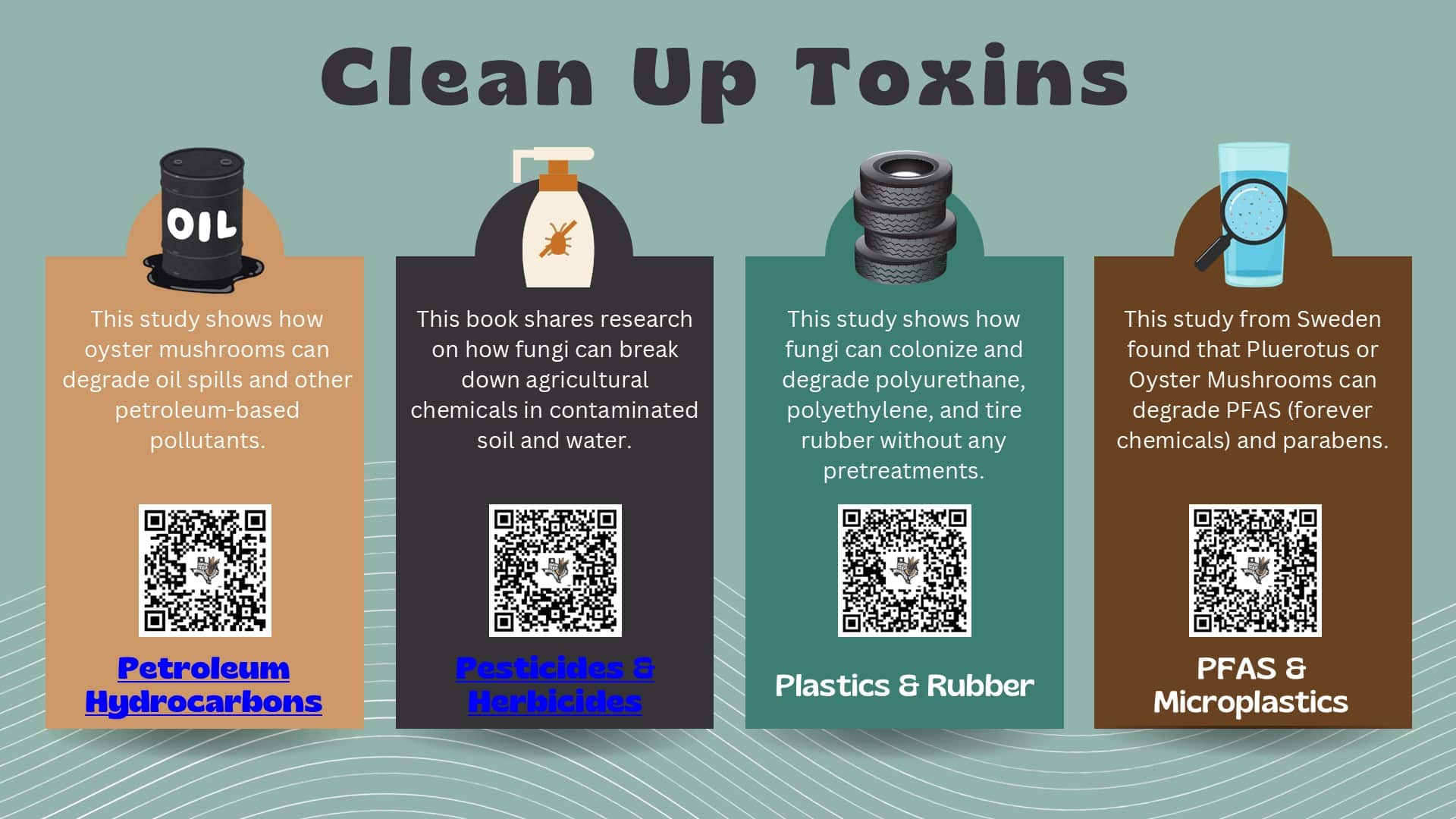
Oyster mushrooms in particular have shown promising potential for environmental cleanup applications.
For gardeners in Central Texas and beyond, mushroom blocks offer an affordable, sustainable way to improve soil health, conserve water, support native landscapes, and reduce landfill waste—all while learning from the incredible power of fungi.
 You are now being redirected to the WaterSmart page.