
Updated guidance for protecting your pipes from freezing
As published in Lake Travis View, December 2026
Central Texas winters may be short, but one surprise freeze can cause major damage to a home’s plumbing system, leaving homeowners with burst pipes, water leaks and a costly cleanup. Prepare now to protect later: wrap your pipes, insulate exposed plumbing and winterize outdoor irrigation. It’s equally important to update an old piece of advice: routinely dripping your faucets during a freeze is no longer recommended for most homes.
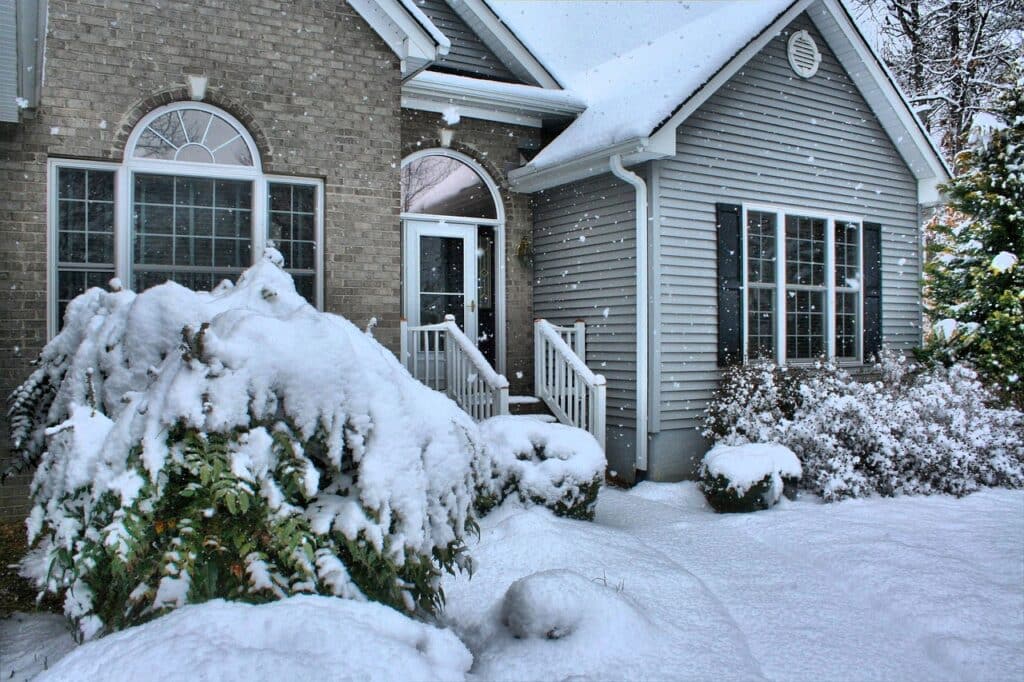
For decades, dripping faucets was considered a simple way to keep pipes from freezing. However, when many homes in the community exaggerate the amount of water needed to accomplish this, it unnecessarily wastes a lot of water. When we are already in a drought and a utility is dealing with broken mains or leaks during a hard freeze, a slow drip at households throughout the service area puts extra strain on the local water system. For this reason, most counties or cities across Texas now recommend this option as a last resort only for at-risk homes since better methods exist that protect both your home’s plumbing and the region’s water supply.
When dripping a faucet may be beneficial
When temperatures are expected to reach below 28 degrees for four hours or more, there are still a few situations where a carefully controlled drip may be warranted: if you live in a home with exposed pipes, insufficient insulation or plumbing located in unconditioned spaces — such as crawl spaces, garages or exterior walls — or if the power remains out.
The key is control. A drip should not resemble a small stream. Consumer Reports and plumbing associations advise five to 10 drops per minute, not a continuous trickle. This only needs to be done on one faucet located farthest from where water enters your home, so the water moves through the entire plumbing system. The dripped water can be collected and used for beneficial purposes.
Freeze prevention without using water
The good news is that there are several effective, water-saving ways to protect your pipes that are preferred over dripping.
Insulating exposed plumbing is still the No. 1 recommendation. Wrapping outdoor pipes and covering hose bibs ensures they are protected from direct exposure to cold air. More homeowners are also insulating indoor plumbing in attics, garages and walls. This is one of the simplest, most affordable upgrades you can make — and once it’s done, your home is protected for years.
Inside the home, small actions make a big difference: opening cabinet doors allows warm air to circulate around pipes under sinks, and keeping interior doors open helps maintain consistent circulation throughout the home. For those with water lines running through their garage, keeping the garage door closed during a freeze is essential.
Thermostat management also plays a major role. During cold snaps, it’s recommended to keep your thermostat at a steady temperature at or above 55 degrees — day and night. Sudden drops in indoor temperature are one of the top causes of pipe breaks.
If you plan to travel, you also may choose to turn off your home’s water supply at the main shutoff valve and drain your interior lines. Many plumbers recommend this for older or high-risk homes.
Locate your meter and customer shutoff
One of the most important steps a homeowner can take — yet one of the most overlooked — is knowing where your water meter is and ensuring you have a working customer-side shutoff valve, typically near the meter.
In an emergency, such as a burst pipe or a sudden leak during a freeze, turning off the water to the house quickly can prevent damage inside your home. If your home does not have a functional customer-side shutoff valve, consider having one installed. Practice turning it off so you’re prepared before an emergency.
Quick tips for preventing frozen pipes
- Wrap all exposed outdoor pipes and cover hose bibs.
- Insulate attics, crawl spaces, exterior walls and unconditioned areas with plumbing.
- Keep your garage door closed if water lines run through your garage.
- Open kitchen and bathroom cabinet doors to let warm air circulate around pipes.
- Maintain a steady thermostat temperature, day and night at 55 degrees or higher.
- Know where your water meter is and how to use your customer shutoff valve.
- Only drip faucets if absolutely necessary, and limit it to five to 10 drops per minute on the faucet farthest from the main line.
By adopting these updated practices, Central Texas homeowners can protect their plumbing without putting extra strain on local water systems. A little preparation now can save water, lower bills and reduce the risk of costly damage during winter weather.
Stephanie Threinen is the public information liaison for the Lakeway Municipal Utility District. Earl Foster is the district’s general manager.
 You are now being redirected to the WaterSmart page.