
Working With Nature
Presenter: Dayle Cosway, founder of Ecoscape
LMUD Monthly Garden Club presentation, January 12, 2026
Plants Thrive In the Right Place Without Human Intervention
About the Presenter
Dayle Cosway is the founder of Ecoscape, an environmental mapping company, and the creator of the Sunscape® App, a tool that maps sun exposure to help gardeners and designers save time, improve results, and plan more sustainable landscapes. She is also the author of Sunscaping – A New Tool for Every Gardener, a book that emphasizes understanding environmental conditions as the foundation of gardening success.
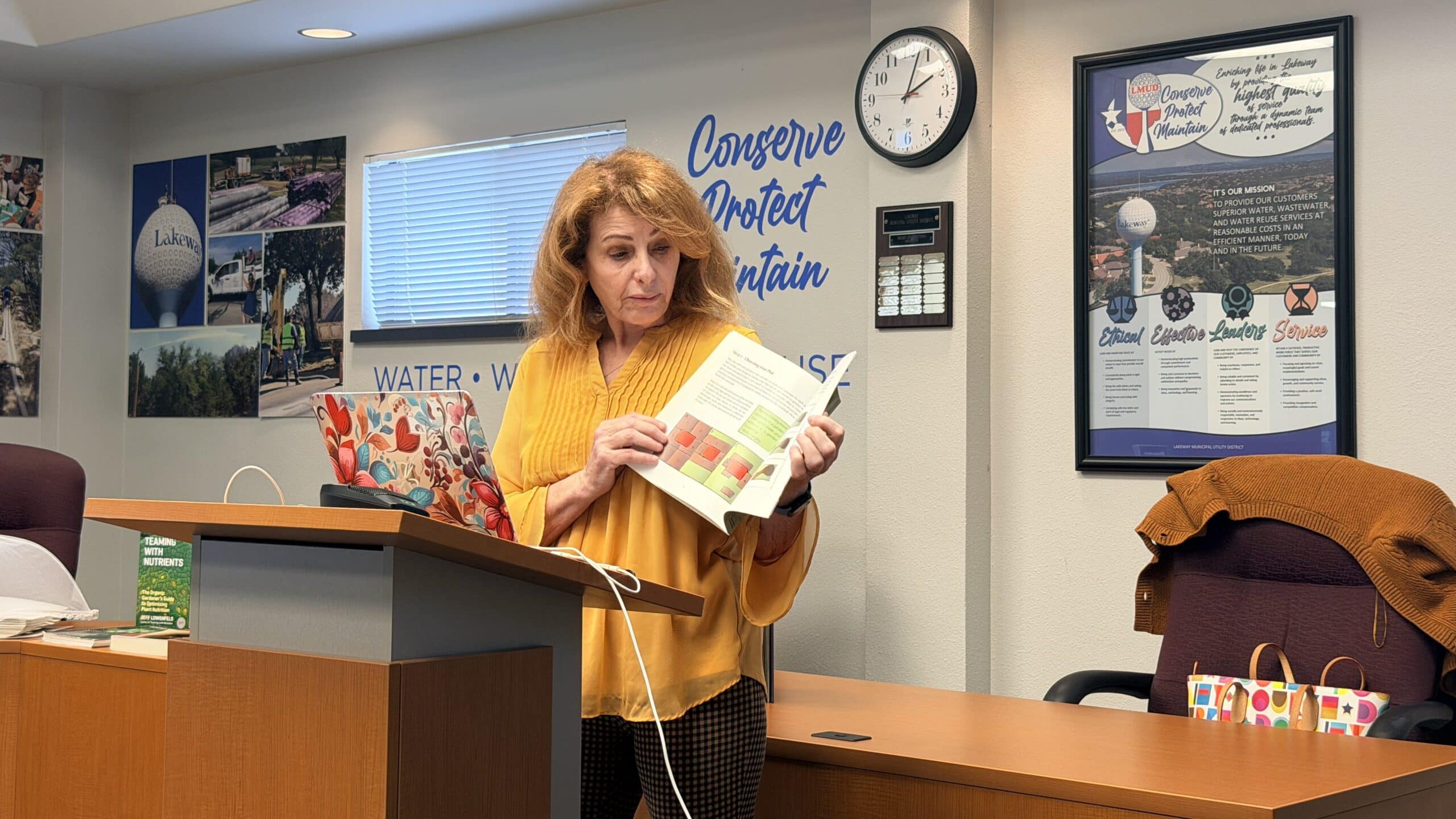
Dayle brings a rare depth of experience to her work. She has lived and gardened across North America—including British Columbia, Ontario, the Northeastern United States, Southern California, and Texas—where she has now gardened for more than 21 years. Her approach is grounded in natural-organic principles, supported by certifications in Organic Land Care, Master Organic Gardening, Sustainable Gardening, and Natural Organic Gardening through the Texas Organic Research Center. She credits Howard Garrett, known as The Dirt Doctor, for shaping a philosophy that has proven effective no matter the region: gardening works best when we work with nature, not against it.
The Remarkable Abilities of Plants
Plants are far more capable than we often give them credit for. The plants we grow today evolved hundreds of millions of years ago and have developed sophisticated systems to survive without human intervention. They produce their own food through photosynthesis, protect themselves from pests and disease, and constantly gather information from their surroundings to adapt and respond.
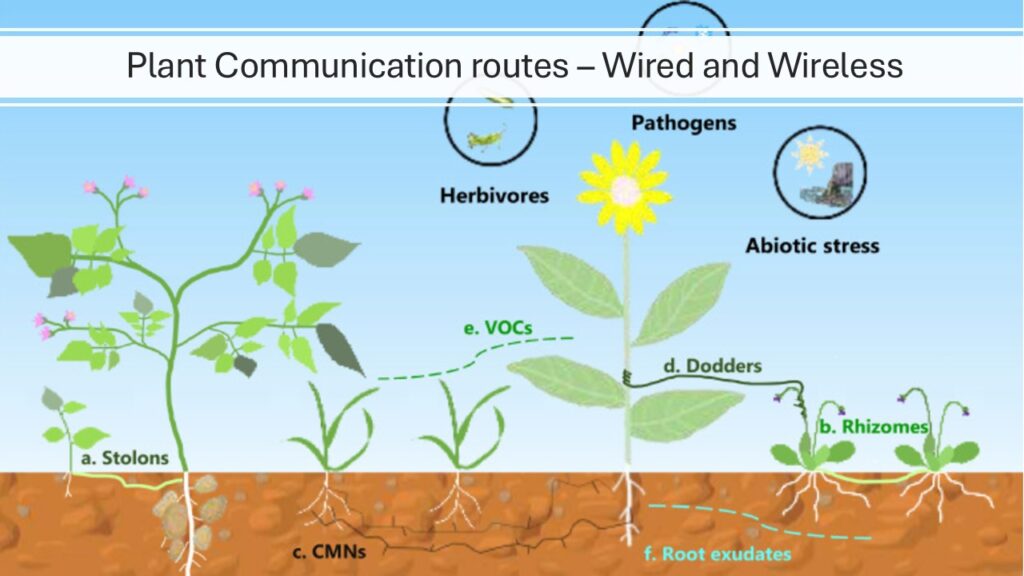
Below the soil surface, plant roots exchange resources and information through complex relationships with bacteria and mycorrhizal fungi, often referred to as the “wood wide web.” Above ground, plants communicate through airborne chemical signals that warn nearby plants of threats. These natural defense systems explain an important gardening truth: plants fail most often not because they are weak, but because they are placed in conditions that don’t match their evolutionary design.
In nature, millions of seeds are dispersed, but only those that land in the right soil, with appropriate sunlight and access to water, survive. The lesson is simple and powerful:
Plants thrive when they are in the right place.
Dayle Cosway
Creating Healthy Soil the Natural Way
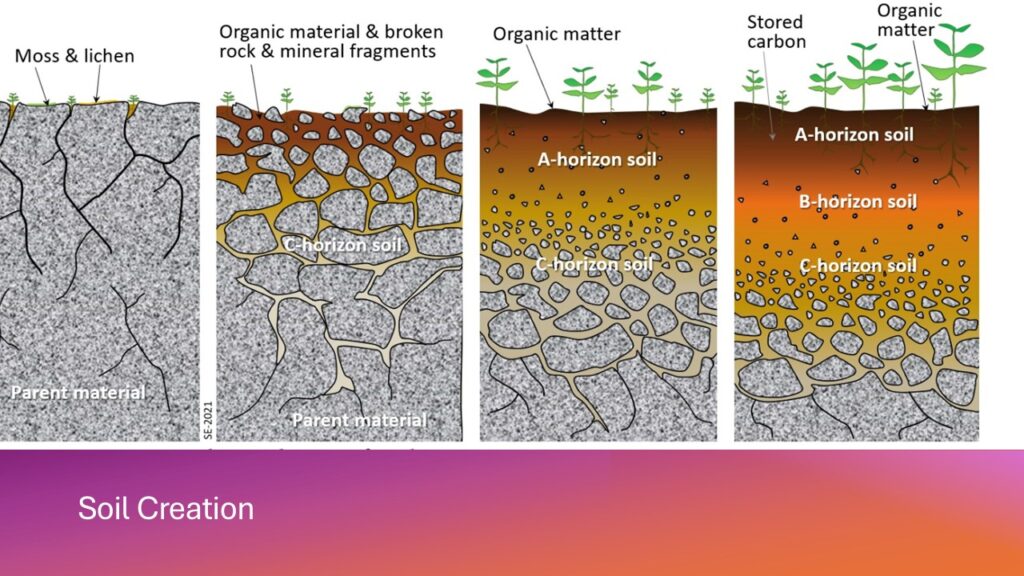
Healthy soil is the foundation of every successful garden. Everything in gardening comes from the soil and eventually returns to it. Over time, nature creates soil through the weathering of local rock, the accumulation of plant matter, and the work of insects, microorganisms, and fungi. While gardeners can improve soil, it will always reflect the local environment—and that’s a strength, not a limitation.
Two simple tools are all that’s needed to support healthy soil: compost and mulch. Compost, made from decomposed plant material, is rich in air pockets, nutrients, moisture, and beneficial microorganisms. When applied in thin layers, compost creates a welcoming habitat for roots and the soil food web that nourishes and protects plants. Mulch acts as insulation, shielding soil from extreme temperatures, reducing erosion, and retaining moisture. As mulch breaks down, it naturally becomes part of the soil, continuing the cycle of renewal.
Chemical inputs such as synthetic fertilizers, pesticides, herbicides, and fungicides disrupt these natural systems. In healthy, composted, and mulched soil, established plants rarely need fertilizer. When plants are strong and growing in familiar conditions, they are naturally resistant to pests and disease. Supporting soil life is one of the most effective ways to support plant health.
Sun Exposure and Water: Working With What You Have
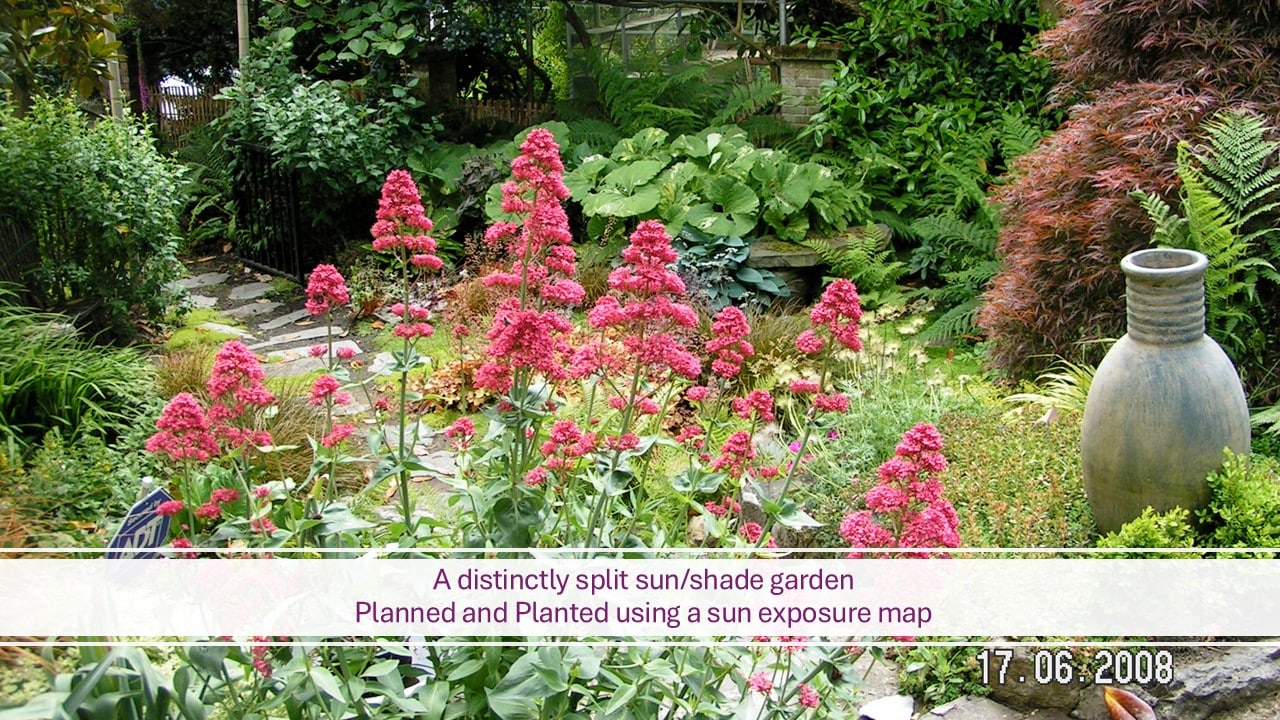
Sunlight is one of the most influential—and unchangeable—elements of a landscape. Plants evolved in specific light environments: full sun in open meadows, shade in forest understories, and part sun along the edges between the two. When plants are placed in the light conditions they evolved for, they grow stronger, require less water, and are better equipped to defend themselves.
Understanding sun exposure means observing how sunlight moves across your property throughout the growing season. In Central Texas, for example, full-day sun often runs from about 8 a.m. to 6 p.m. Once gardeners understand the sun patterns in their landscape, plant selection becomes much simpler—choose plants that match the space, rather than trying to force plants to adapt.

Water works hand in hand with sun exposure. Plants use water for cooling, nutrient transport, food production, and protection. Newly planted plants need consistent watering during their first year while they establish roots, but perennials typically adapt within a year and trees within two. Once established in healthy soil and appropriate light, plants develop expansive root systems and natural partnerships that allow them to source the water they need on their own.
Gardening by Working With Nature
Gardening doesn’t have to be complicated. When we shift our focus from controlling nature to cooperating with it, the work becomes simpler and more rewarding. Plants are naturally equipped to thrive when given healthy soil, adequate water during establishment, proper spacing, and the right sun exposure.
Nature is an excellent teacher if we take the time to observe. A quiet walk through the garden—especially in the morning—helps gardeners understand light, moisture, and plant health patterns that aren’t always obvious during busy workdays. These moments of observation build familiarity with the landscape and allow gardeners to respond thoughtfully rather than reactively.
The guiding principle is clear: plants thrive independently in nature, and our gardens can too. By improving soil with compost and mulch, watering wisely, avoiding harmful chemicals, and placing plants in the right conditions, we allow plants to do what they’ve been doing successfully for millions of years—grow, adapt, and flourish.
Dayle’s “Wet to Wet” Planting Method
Successful planting is less about adding products and more about creating the right conditions for roots to establish quickly and confidently. Over the years, Dayle Cosway has combined proven advice from many organic gardening experts into a simple, reliable approach she calls the “Wet-to-Wet” planting method. This method works across climates and soil types because it focuses on hydration, root contact, and minimizing transplant shock during the critical establishment phase.
The goal is to help plants transition smoothly into their new environment by ensuring continuous moisture, good soil contact, and immediate access to nutrients—without compacting soil or stressing roots.
Step-by-Step Method
- Pre-hydrate plants or seeds
Before planting, soak potted plants or moisten seeds overnight in a diluted seaweed solution, following the dilution instructions on the bottle. Seaweed acts as a natural biostimulant, helping plants cope with stress and encouraging strong root development. Starting with a fully hydrated plant reduces transplant shock and gives roots a head start. - Dig an “ugly hole”
Dig a wide, shallow planting hole with rough, uneven sides rather than smooth, compacted walls. The hole should be two to three times wider than the root ball, but no deeper than the root ball itself. This allows roots to spread outward easily while keeping the top of the root ball at or slightly above ground level, which helps prevent future settling and rot. - Fill the hole with water
Completely fill the hole with water and observe how quickly it drains. This simple step tells you a great deal about your soil’s drainage and helps inform future watering needs. It also ensures that the surrounding soil is fully hydrated before planting begins. - Add gentle nutrients (optional)
Sprinkle a small amount of all-purpose, slow-release organic fertilizer or other natural soil amendments into the wet hole if desired. This is not about feeding the plant heavily, but about providing light nutritional support during early establishment, especially in poor or disturbed soils. - Remove and prepare the plant
Remove the plant from its pot while it is still wet, which makes roots more flexible and less prone to damage. Gently loosen circling or compacted roots. If necessary, tease them apart or make small cuts to encourage outward growth. This step helps prevent roots from continuing to grow in a tight circle. - Plant into water (“wet to wet”)
Refill the hole with diluted seaweed solution and place the plant directly into the water. Spread the roots outward into the hole so they immediately make contact with moisture and surrounding soil. Keep the crown of the plant at ground level or slightly above—never bury it too deeply. - Backfill gently with native soil
Use the soil you removed from the hole to backfill around the roots. Avoid packing or compacting the soil; instead, lightly tap it into place so air pockets are minimized while maintaining good airflow for roots. I don’t recommend adding amended soil. Using the existing soil encourages the plant to get used to its new environment. - Top with compost
Cover the planting area with about one inch of compost, keeping it slightly away from the plant stem. Compost adds organic matter, supports soil life, and helps regulate moisture at the surface. - Delay mulching until moisture equalizes
The planting hole will remain moist for several days. Watch for when the dark, wet soil around the plant begins to lighten as moisture disperses. At that point, apply mulch over the planting area, again keeping it away from the stem. This signals the start of a consistent watering schedule. - Support the plant during establishment
All newly planted plants need help with water for at least their first year. During this time, roots are working overtime to expand, anchor the plant, and connect with the soil food web. With proper watering and healthy soil, plants will become increasingly self-sufficient and resilient.
Why the Wet-to-Wet Method Works
- Maintains consistent moisture during the most vulnerable planting stage
- Reduces transplant shock and root stress
- Encourages rapid root expansion into native soil
- Supports beneficial soil life from the start
- Works in a wide range of climates and soil types
By focusing on hydration, root contact, and gentle support, Dayle’s Wet-to-Wet planting method simplifies planting while setting plants up for long-term success—proving that when we work with nature, plants do the rest.
Dayle’s Resource List
Books
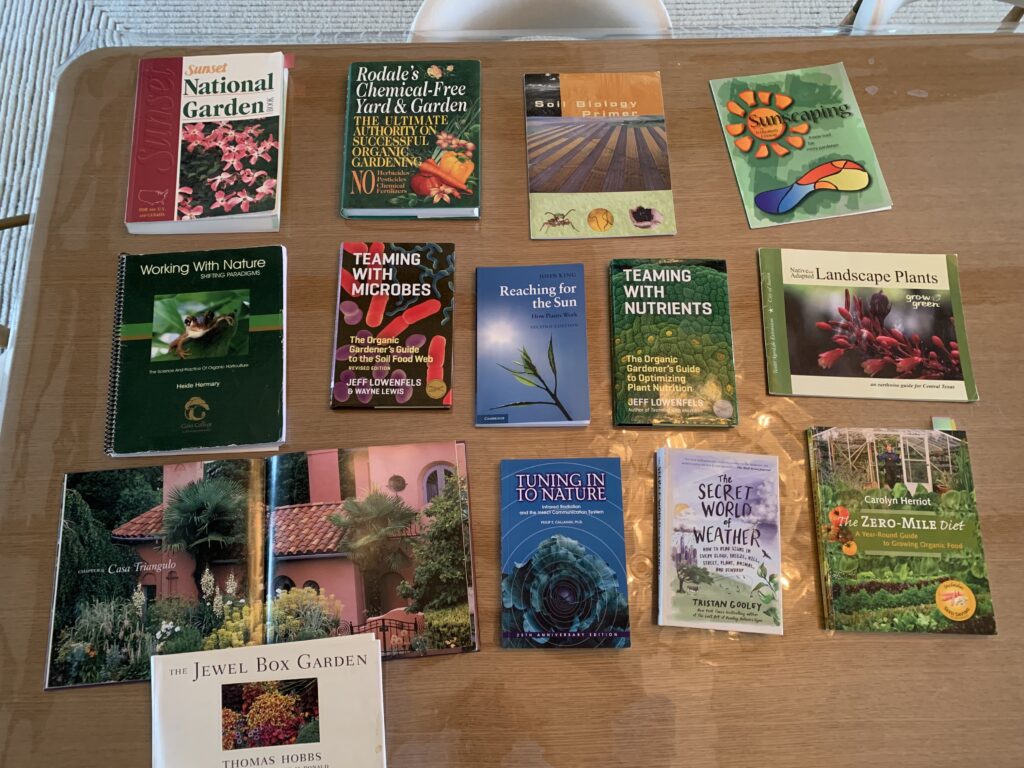
- Sunset National Garden Book by Kathleen Norris Brenzel
- Rodale’s Chemical-Free Yard & Garden by Anna Carr
- Soil Biology Primer from the USDA Natural Resources Conservation Service (NRCS)
- Working with Nature – Shifting Paradigms by Heide Hermary
- Teaming with Microbes: The Organic Gardener’s Guide to the Soil Food Web by Jeff Lowenfels and Wayne Lewis
- Reaching for the Sun: How Plants Work by John King
- Teaming with Nutrients: The Organic Gardener’s Guide to Optimizing Plant Nutrition by Jeff Lowenfels
- The Jewel Box Garden by Thomas Hobbs **beautiful photographs!**
- Tuning in to Nature: Infrared Radiation and the Insect Communication System by Philip Callahan
- The Secret World of Weather: How to Read Signs in Every Cloud, Breeze, Hill, Street, Plant, Animal, and Dewdrop by Tristan Gooley
- The Zero-Mile Diet: A Year-Round Guide to Growing Organic Food by Carolyn Herriot
Plant Care
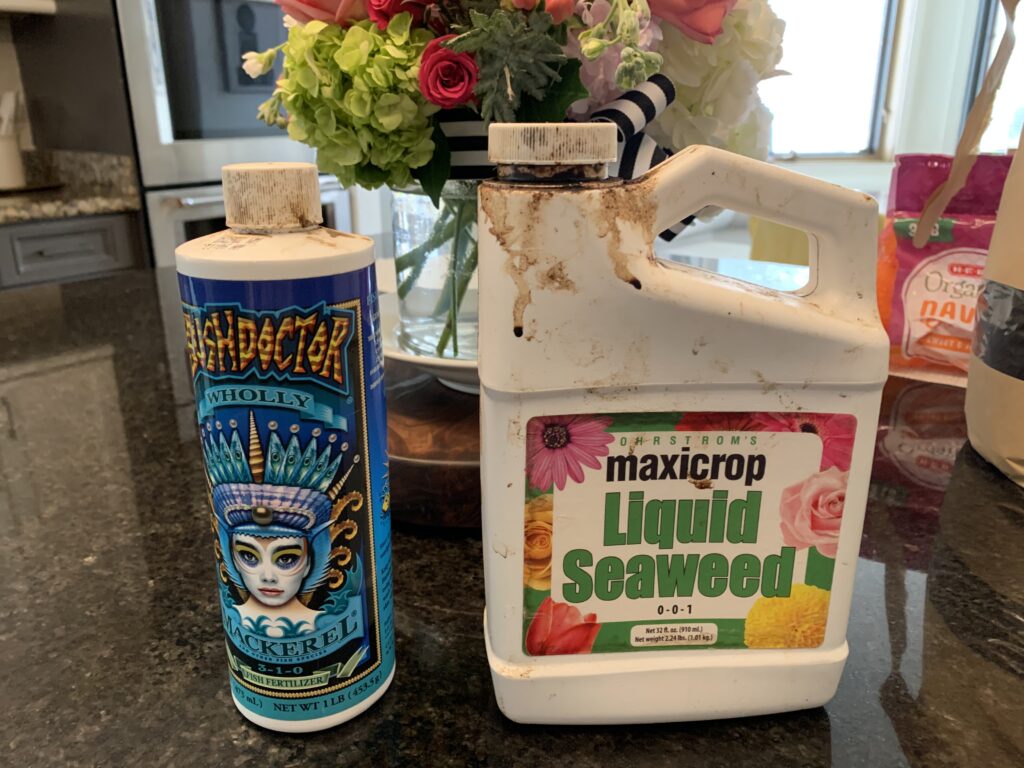
- Bush Doctor Wholly Mackerel liquid plant food/fish fertilizer
- Maxicrop Liquid Seaweed Pure seaweed extract’s initiate cell growth and vigorous root and stem growth
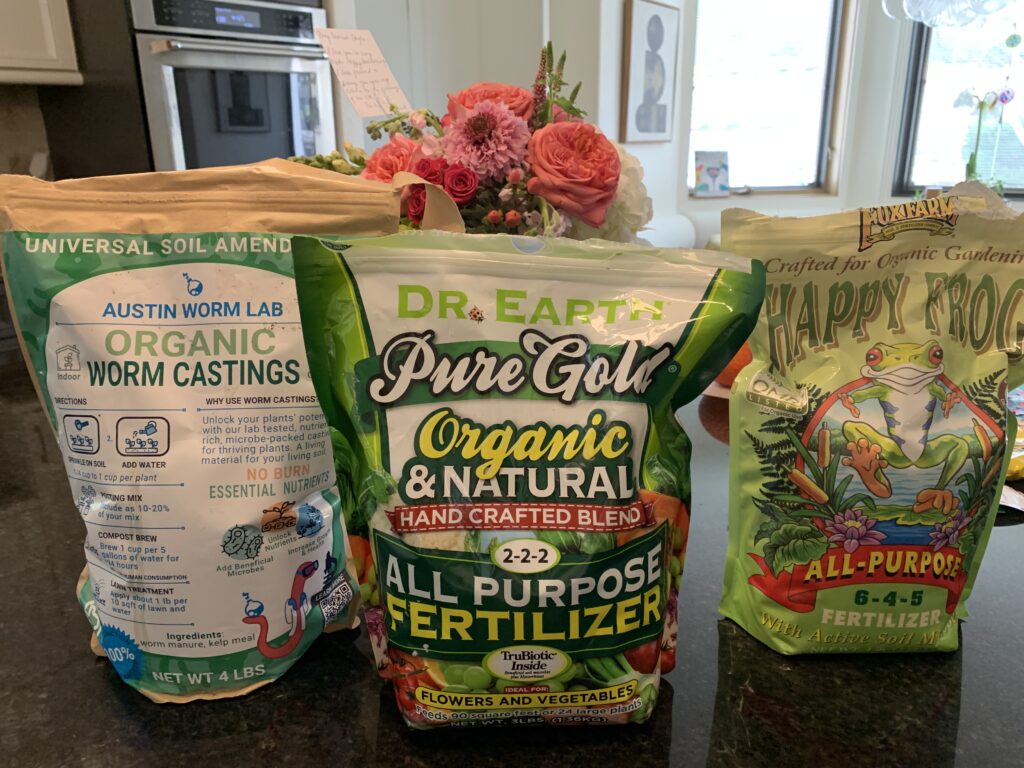
- Austin Worm Lab Organic Worm Casting universal soil amendment soil enhancer that improves soil vitality (includes microbes)
- Dr. Earth Pure Gold 2-2-2 Organic Natural All-purpose Food pelletized organic all-purpose fertilizer
- FoxFarm Happy Frog All Purpose 6 – 4 – 5 Fertilizer ready-to-use blend of natural fertilizers (includes microbes)
- Dayle purchases many of her products locally at The Natural Gardener
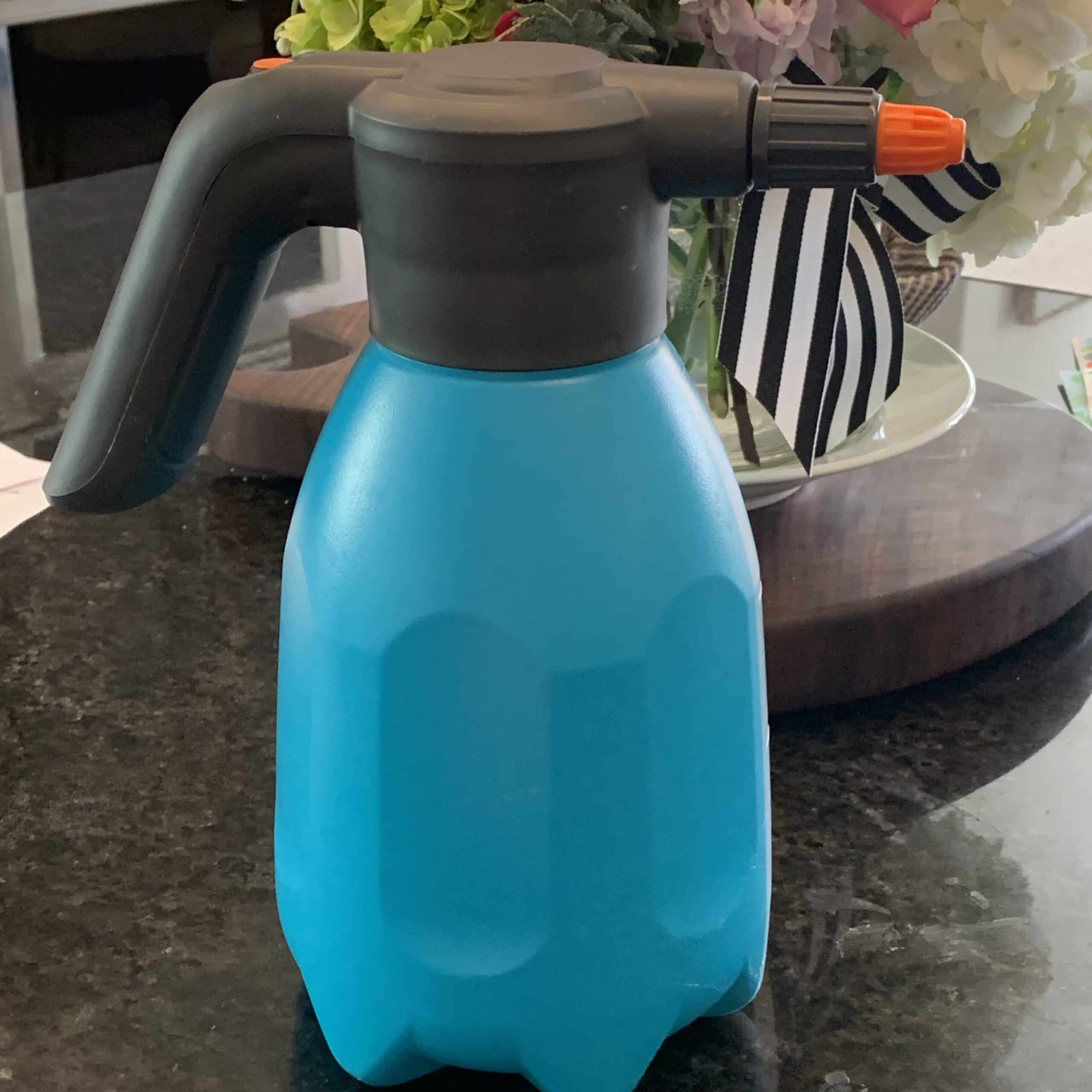
- HIFAY ES2-PRO Electric Spray Bottle 2L/0.5Gallon, Rechargeable Battery Powered Sprayer Spray 60 Bottles On a Single Charge, Automatic Plant Mister, Pump Sprayer, Indoor Watering Can for Plants (Amazon)
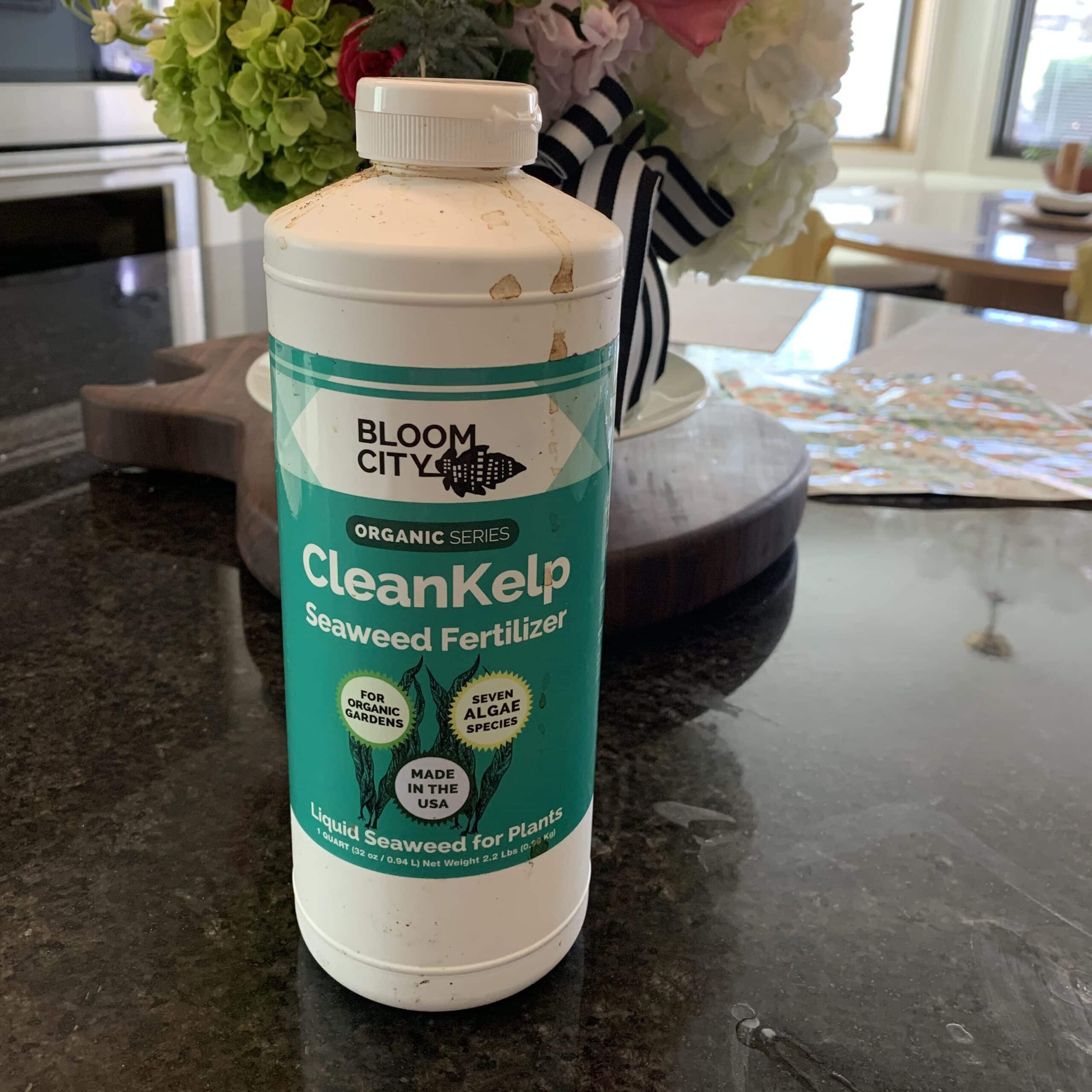
- Bloom City Organic Liquid Seaweed and Kelp Fertilizer Supplement, Quart (32 oz) Concentrated Makes 180 Gallons (Amazon)
 You are now being redirected to the WaterSmart page.