
2nd Annual Fall Tree Walk
Presenter: Camille Wiseman, Texas A&M Forest Service
LMUD Garden Club presentation, October 9, 2026
What makes a healthy tree? How can homeowners protect their landscapes from oak wilt, reduce wildfire risks, and support native wildlife? And why might some of the trees we are quickest to remove actually be among the most beneficial to our local environment?
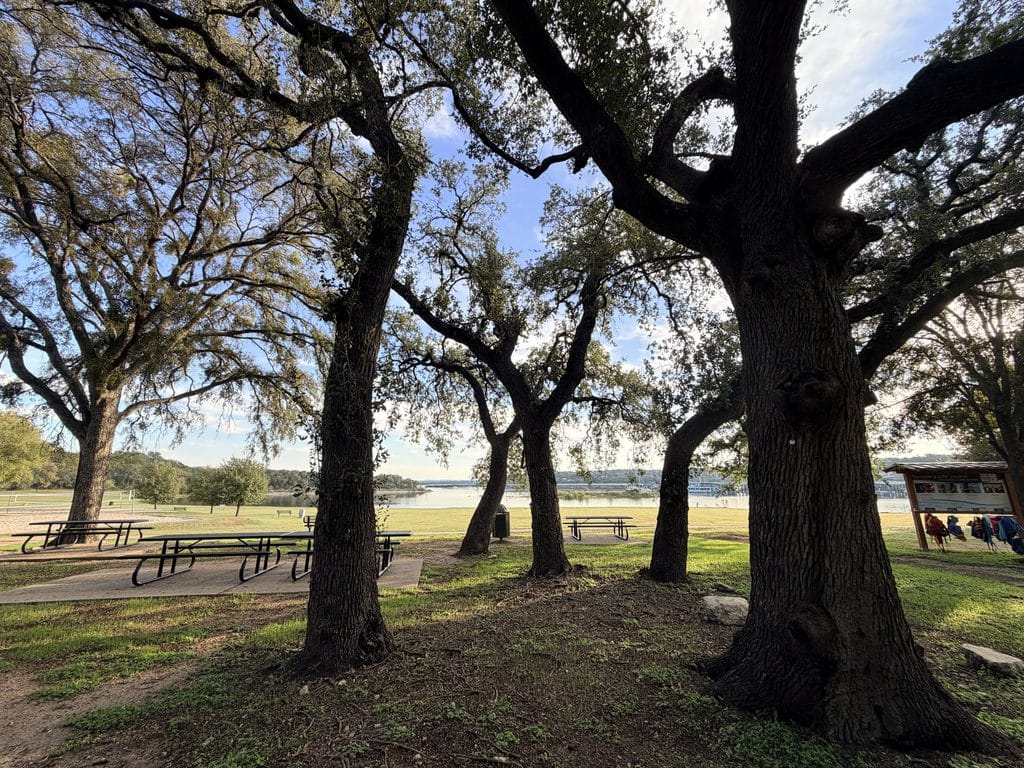
These were just a few of the questions explored during Lakeway Municipal Utility District’s (Lakeway MUD) second annual Fall Tree Walk, held October 9 at Lakeway City Park, 502 Hurst Creek Road.
Led by Camille Wiseman of the Texas A&M Forest Service, the guided outdoor experience invited participants to take a closer look at the natural environment surrounding us. Through hands-on tree identification, expert discussions, and practical landscaping advice, attendees learned how thoughtful tree care and land management can help protect their properties while preserving the unique ecology of the Texas Hill Country.
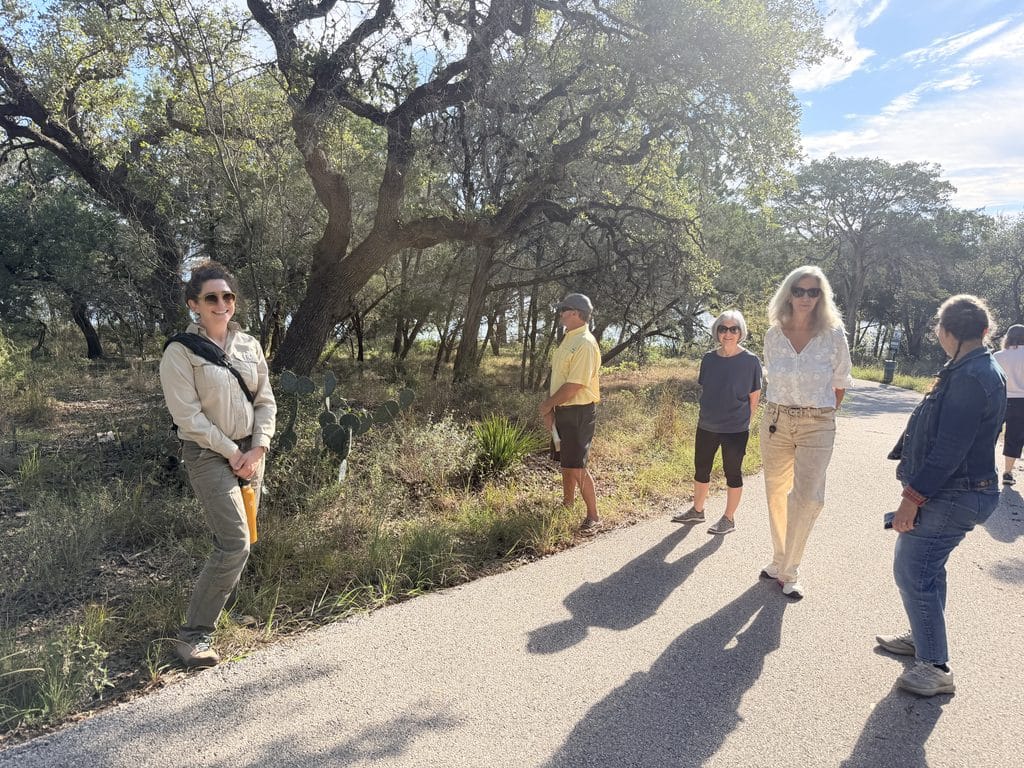
For those unable to attend, we’ve gathered some of the most valuable lessons from the walk, including actions homeowners can take to create healthier, safer, and more resilient landscapes.
Understanding Oak Wilt: A Serious Threat to Lakeway’s Live Oaks
One of the first topics discussed was oak wilt, a destructive disease of particular concern in Lakeway, where live oaks are an important part of our landscape.
Oak wilt is caused by the fungus Bretziella fagacearum, which invades a tree’s water-conducting tissues, preventing water from reaching its branches and leaves. All oak species are susceptible, although some are more vulnerable than others.
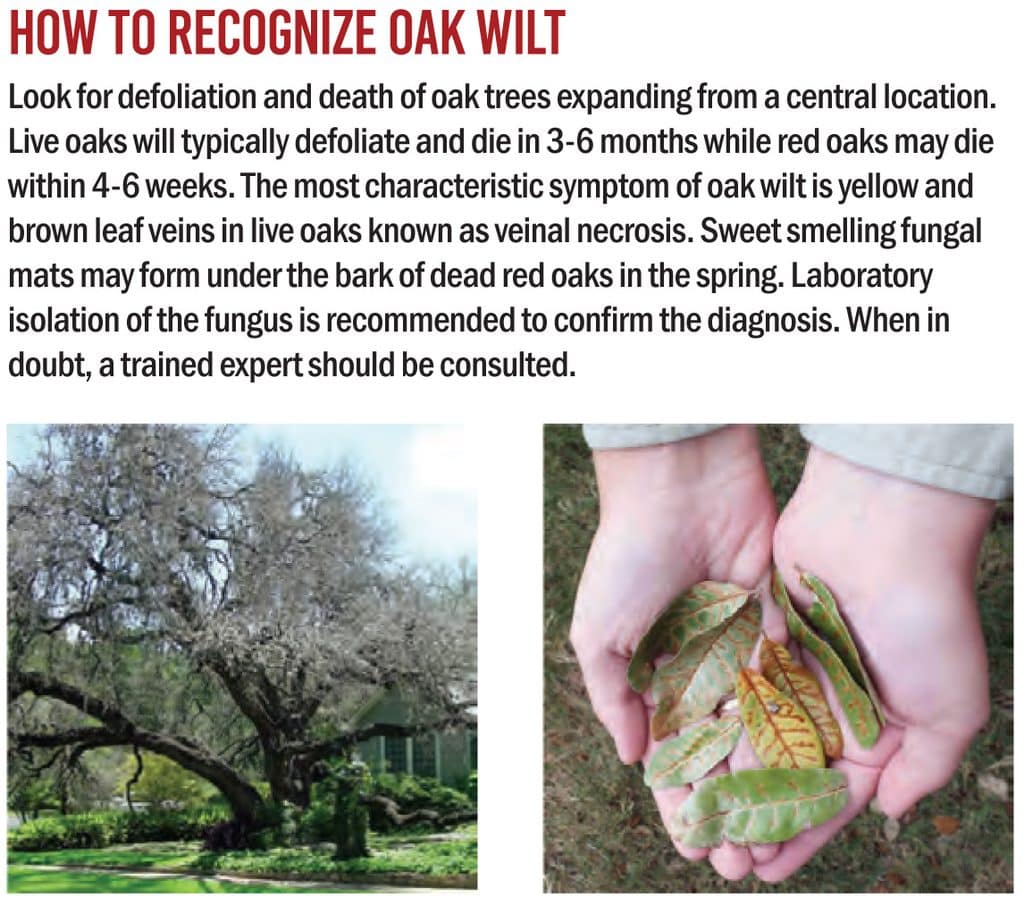
Live oaks are especially concerning because neighboring trees often share interconnected root systems. These underground connections allow the fungus to spread from an infected tree to otherwise healthy trees, sometimes affecting entire groups of oaks. In Texas, oak wilt can spread through connected roots at an average rate of approximately 75 feet per year.
What should homeowners watch for? Symptoms can include unusual leaf discoloration, particularly yellowing or browning along leaf veins in live oaks, premature leaf drop, thinning canopies, and rapid decline. However, these symptoms can resemble other tree problems, so professional diagnosis is important.
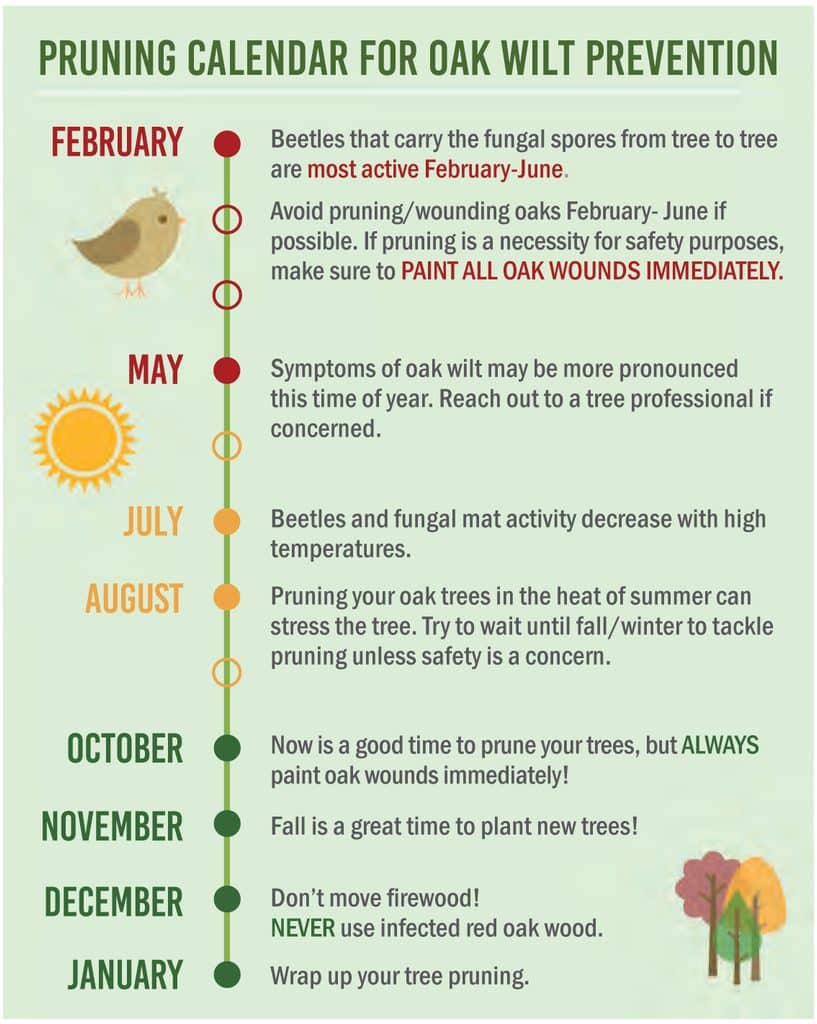
Oak wilt can also spread when sap-feeding beetles carry fungal spores from infected red oaks to fresh wounds on healthy oaks. Homeowners should avoid unnecessary oak pruning during the high-risk spring period, generally February through June, and promptly paint fresh oak wounds, including accidental damage, to reduce infection risk, and painting wounds regardless of the time of year.
Early detection, careful pruning practices, and professional intervention are essential to limiting the spread of this disease.
Learn more through the Texas Oak Wilt Partnership. Printed educational pamphlets provided by Camille are also available at the Lakeway MUD office Resource Center.
Managing Invasive Plants and Protecting Native Species
Another important discussion focused on invasive plants and the challenges they present to native ecosystems.
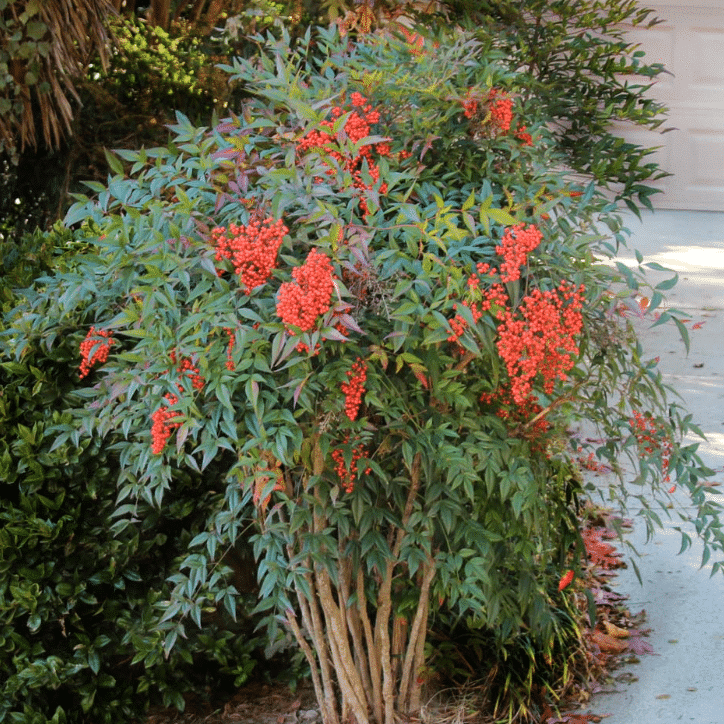
Nandina / Heavenly bamboo
Camille highlighted Nandina, or Heavenly Bamboo, as an example of a non-native plant widely found in Lakeway landscaping. Although valued for its ornamental appearance, nandina can spread beyond cultivated areas and compete with native vegetation. Its berries can also be harmful to birds.
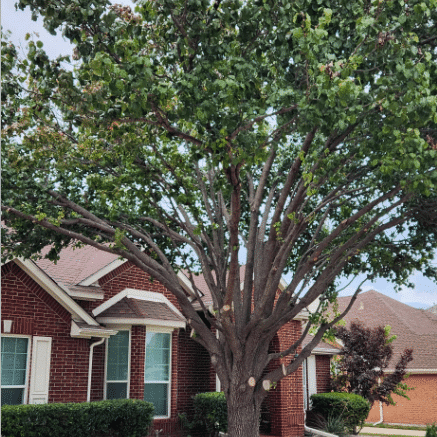
Bradford pear
is another non-native ornamental tree that homeowners should avoid planting. While historically popular for its rapid growth and spring flowers, Bradford pears frequently develop weak branch structures and can spread into natural areas.
For homeowners considering removing invasive vegetation, the Texas A&M Forest Service offers assistance through the Texas Invasive Plant Solutions (TIPS) Cost-Share Program.
Under the program terms discussed during the event, eligible participants may receive reimbursement for 75% of qualifying removal costs, up to $7,000 per landowner or application, subject to available funding.
Importantly, work completed before official assessment and approval is not eligible for reimbursement. Homeowners should confirm current program eligibility and funding before beginning a project.
Learn more about the TIPS Cost-Share Program.
Camille also discussed targeted treatment of unwanted woody vegetation using Triclopyr, a selective herbicide sometimes used on freshly cut stumps to prevent regrowth. Any herbicide application should follow the product’s specific label, including approved species, application methods, protective equipment, and environmental precautions. Special care is needed near desirable trees, waterways, and interconnected root systems.
The broader message was to encourage native vegetation, remove problematic invasive species thoughtfully, and monitor areas for regrowth after treatment.
Creating Firewise Landscapes: Shaded Fuel Breaks and Wildfire Prevention
With wildfire a concern in Central Texas, participants learned how vegetation management can help reduce the risk of fire spreading toward homes.
One important strategy is creating a shaded fuel break: an area where excess brush, dead vegetation, and smaller trees are selectively reduced while healthy, appropriately spaced trees remain to provide shade.
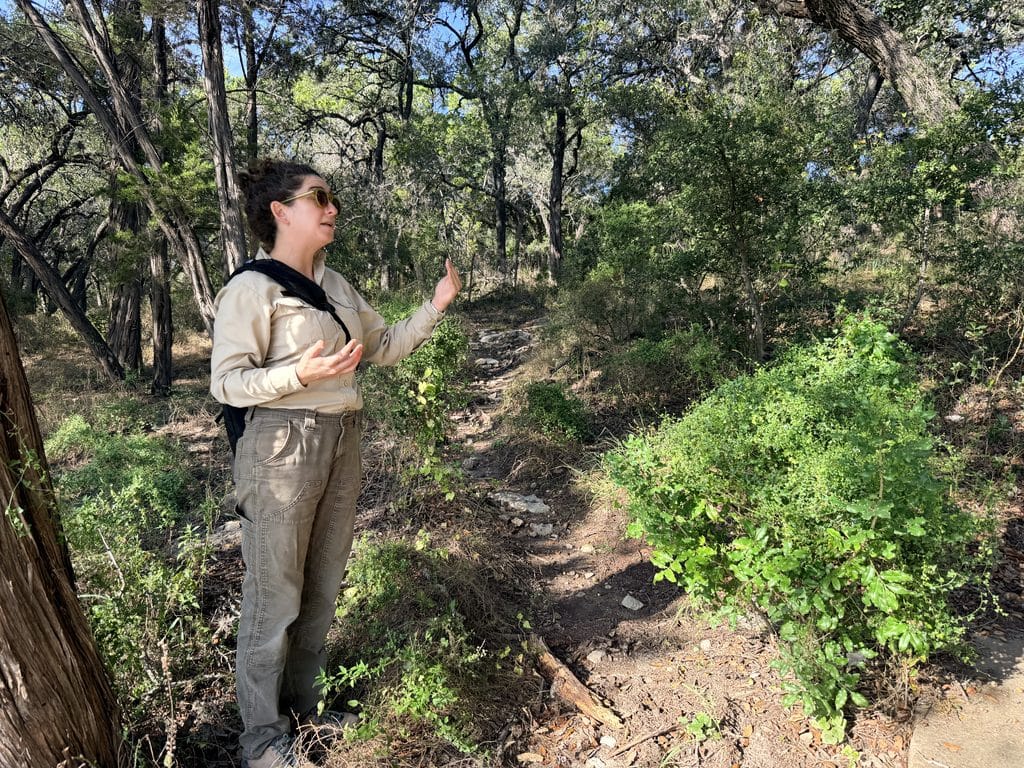
Camille explained the importance of managing “ladder fuels,” vegetation that allows a ground fire to climb into the branches and canopy of a tree. Once a fire reaches the crowns of trees, it can become more difficult to control.
Homeowners can reduce wildfire vulnerability by removing accumulated dead vegetation near structures, managing dense understory growth, maintaining separation between lower vegetation and tree canopies, and pruning appropriate lower branches.
Raising branches approximately six feet above the ground may be useful for some mature trees, but pruning height should be adjusted to the tree’s size, health, and surrounding vegetation.
In urban and suburban environments, roads, driveways, and other infrastructure may provide breaks in vegetation. However, these features alone do not eliminate wildfire risk, particularly from wind-driven embers.
A fuel break should not mean removing every tree or shrub. Excessive clearing can increase erosion, expose soil to harsh sunlight, and eliminate valuable wildlife habitat. The objective is to manage vegetation strategically while preserving ecological benefits.

Lake Travis Fire Rescue offers free, confidential Home Ignition Zone and wildfire risk assessments to help residents identify vulnerabilities around their homes and make informed improvements.
Visit Lake Travis Fire Rescue’s Fire Prevention and Community Risk Reduction page for additional information.
Why Junipers and Hackberries Deserve a Second Look
Some of the most interesting discussions challenged common assumptions about trees that are not always appreciated in residential landscapes.
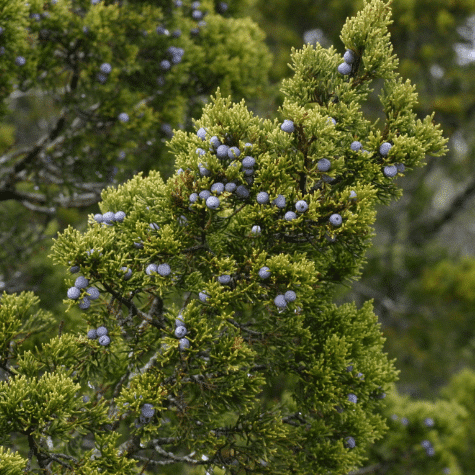
Ashe Juniper / Mountain Cedar
are native to the Hill Country and play an important ecological role. Their foliage provides shelter for wildlife, their roots help stabilize soil, and their accumulated organic matter contributes to soil development.
Although junipers are sometimes removed because of concerns about wildfire, water competition, or cedar pollen, Camille encouraged participants to recognize their benefits and avoid indiscriminate clearing.
Junipers also are not susceptible to oak wilt. Incorporating them and other non-oak species into a diverse landscape can help reduce the concentration of vulnerable oak hosts.
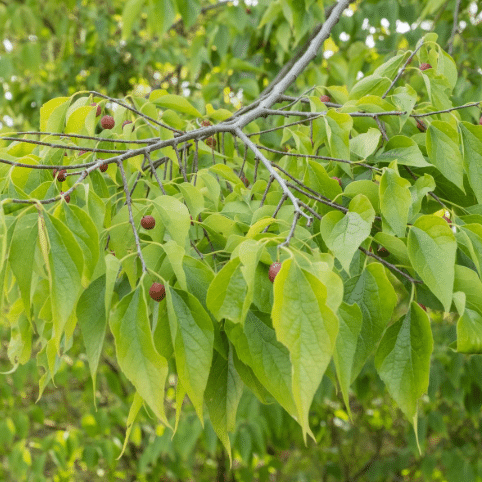
Hackberry trees
are another often-underappreciated native species. While they may have relatively brittle branches or shorter lifespans in some landscape conditions, they provide food and shelter for wildlife. They can also function as “nurse trees,” offering shade and improved growing conditions for younger plants until those plants become established.
Rather than judging trees solely by appearance or popularity, homeowners were encouraged to consider their ecological contributions.
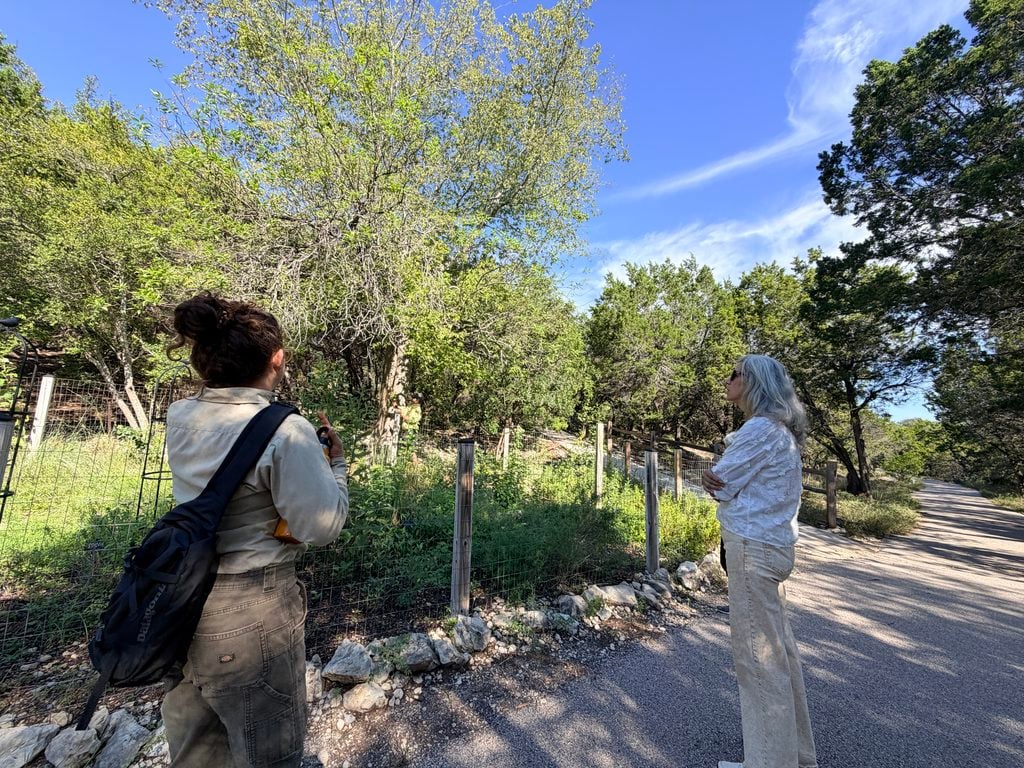
Native Trees and Shrubs We Discovered Along the Walk
As the group explored Lakeway City Park, Camille pointed out a variety of native species, explaining how to recognize them and where they might fit into a residential landscape.
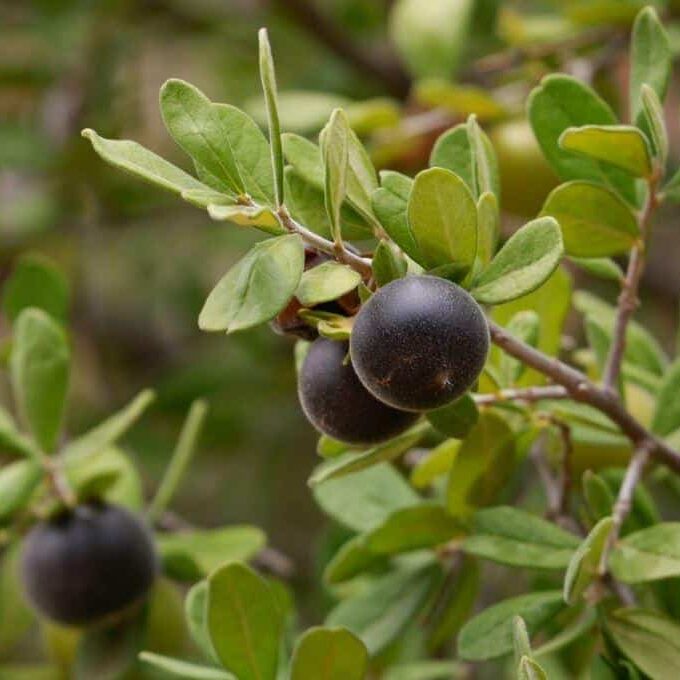
Texas Persimmon
A drought-tolerant native tree that thrives in the Hill Country and contributes to a healthy understory. Its small fruits provide food for wildlife, and its attractive bark adds year-round interest.
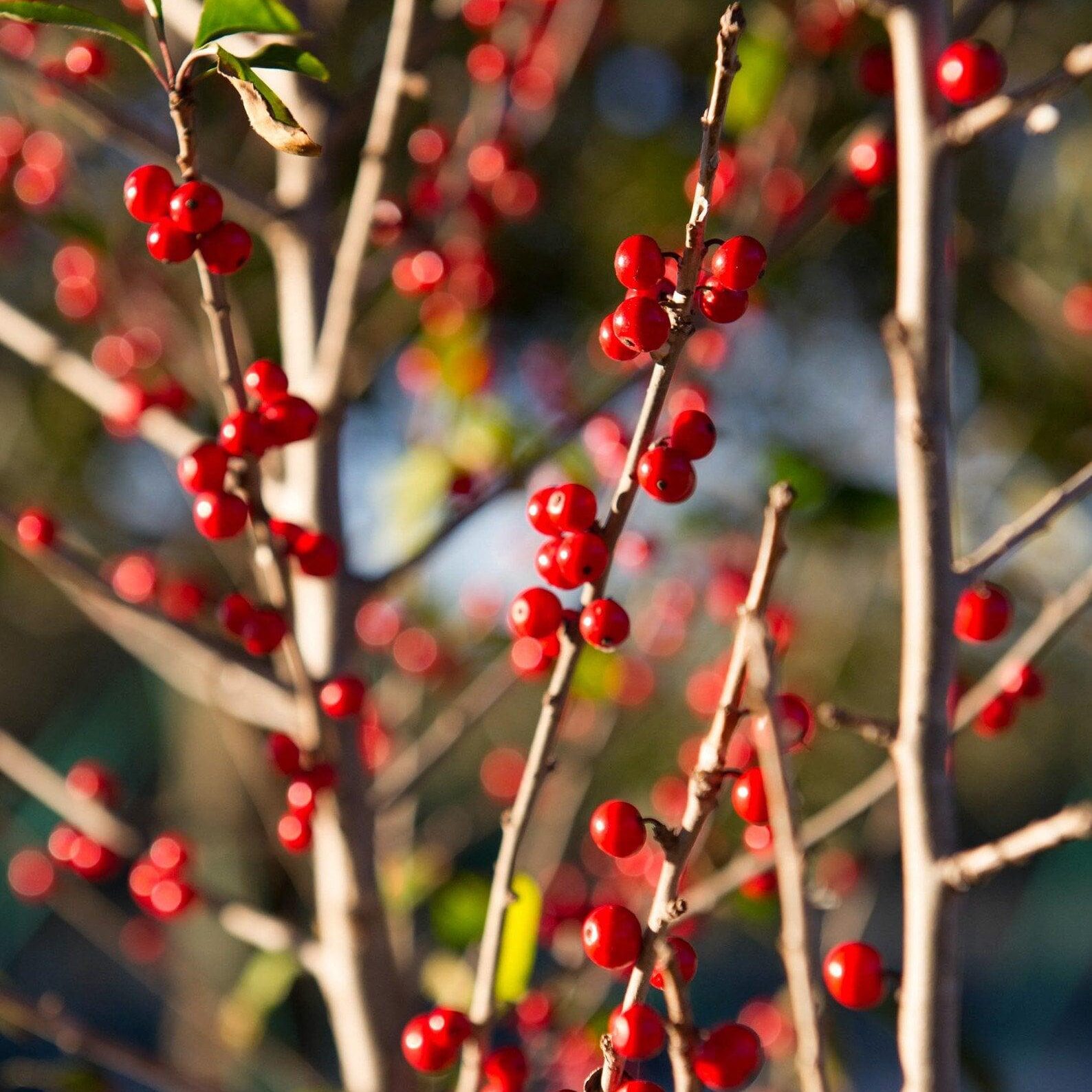
Possumhaw Holly
Unlike evergreen hollies, possumhaw loses its leaves in winter, revealing bright berries that can remain on the branches and provide seasonal color and wildlife food.
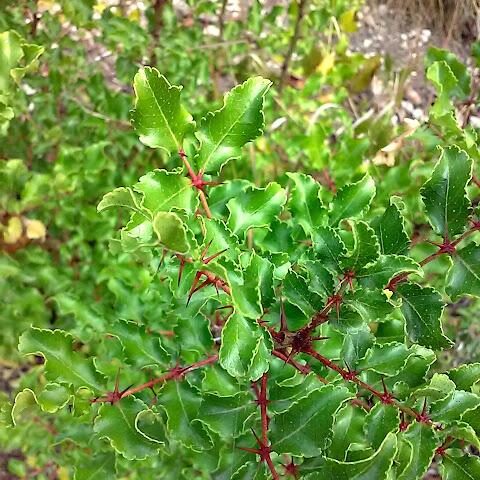
Prickly Ash
Camille demonstrated how this native plant can be identified partly by its distinctive citrus-like fragrance. Its aromatic foliage and prickly stems make it an interesting woodland species.
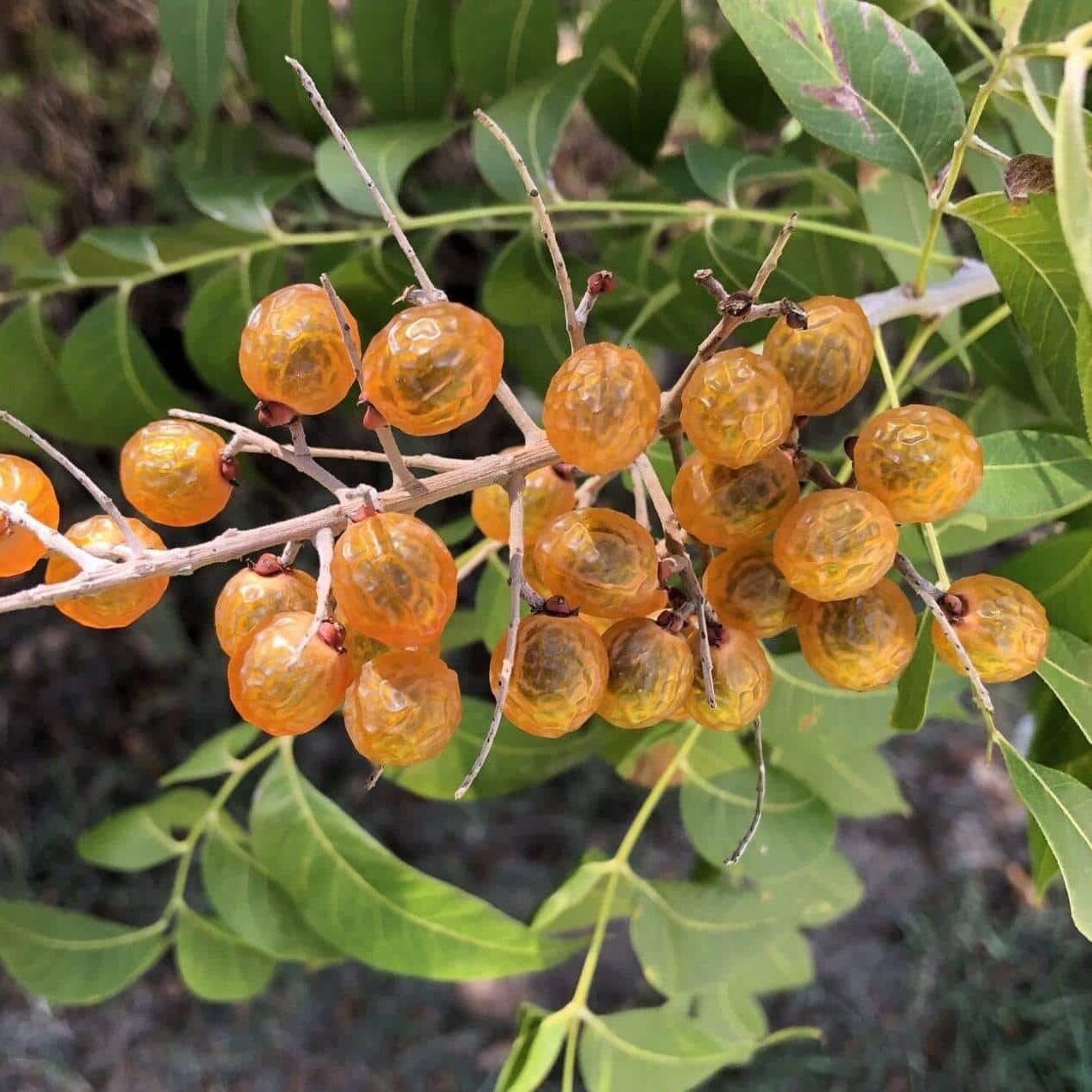
Western Soapberry
Known for its translucent golden berries containing natural saponins, compounds that can produce suds when mixed with water. This tree offers an interesting connection between native plants and traditional uses.
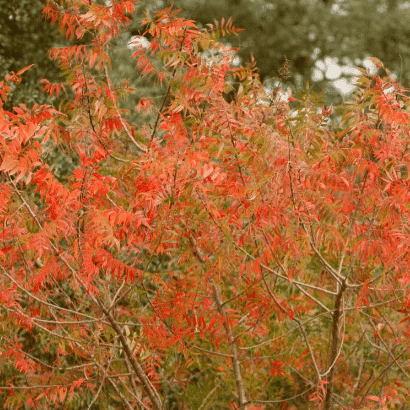
Flameleaf Sumac
An excellent native choice for seasonal color, known for its brilliant red and orange autumn foliage. Sumacs can also provide food and habitat for wildlife.
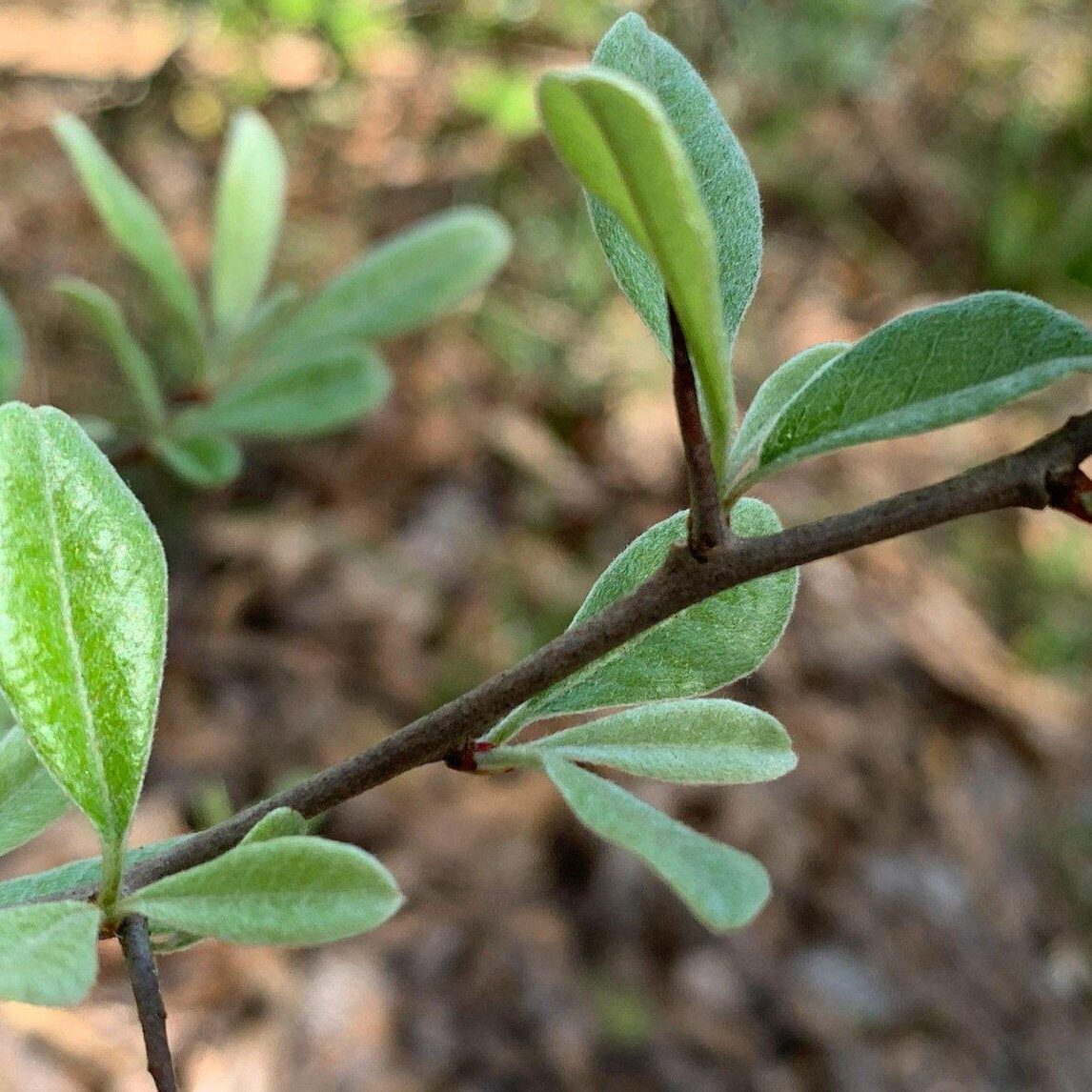
Gum Bumelia
Sometimes mistaken for a live oak because of its thick, leathery leaves. This native tree contributes to local biodiversity and provides food and shelter for wildlife.
Additional native species discussed included Texas red oak, Lacey oak, bur oak, cedar elm, Mexican buckeye, Texas mountain laurel, evergreen sumac, and yaupon holly. Camille recommended female yaupon hollies for their colorful berries, noting that a male plant nearby is generally needed for fruit production.
She also highlighted two personal favorites: Escarpment black cherry and Texas madrone, both valued for their distinctive appearance, ecological contributions, and connections to the Hill Country landscape.
Planting for Biodiversity, Pollinators, and Long-Term Success
One of the recurring themes of the walk was the importance of diversity.
Planting a variety of native trees and shrubs, rather than relying heavily on a single species such as live oak, creates a landscape better equipped to withstand pests, diseases, drought, and changing environmental conditions.
Camille encouraged participants to consider not only species diversity, but also age diversity. A healthy landscape includes young, middle-aged, and mature trees, allowing new generations to gradually replace older ones.
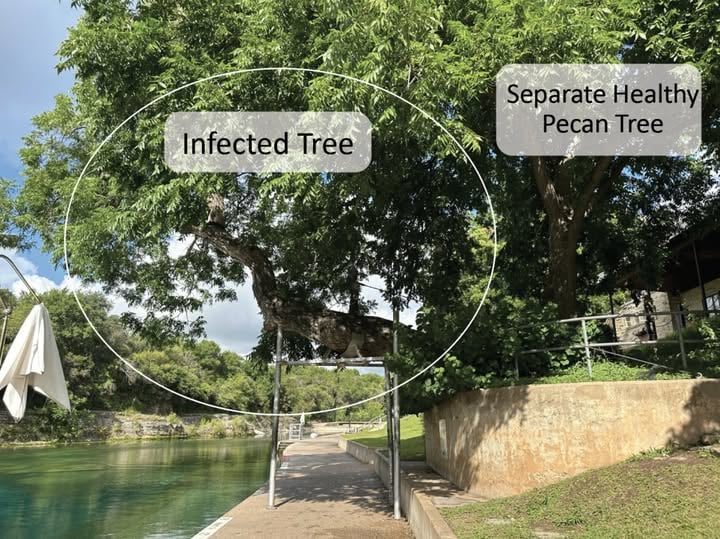
This concept was illustrated through the story of “Flo,” the beloved century-old leaning pecan tree at Austin’s Barton Springs Pool. Flo was removed in October 2023 after being diagnosed with brittle cinder fungus, a serious wood-decay disease that compromised its structural stability.
Anticipating the eventual loss of Flo’s shade canopy, Austin’s parks staff had planted a younger pecan nearby years earlier. Protecting the replacement tree’s root zone from soil compaction helped provide for the next generation of shade.
The example demonstrated that thoughtful tree management is not simply about preserving existing trees but planning for the future.
Pollinator support is another benefit of a diverse landscape. By selecting native species with different flowering periods, homeowners can provide nectar, pollen, and other resources throughout the growing season.
Camille highlighted evergreen sumac as particularly attractive to butterflies and other pollinators. Elbow bush, also known as spring herald, was another notable example. This native shrub is among the earliest to bloom in late winter or early spring, offering resources when relatively few other plants are flowering.
The Lady Bird Johnson Wildflower Center’s What’s in Season resource can help homeowners discover native plants that bloom at different times of year.
How to Plant and Water Trees in Central Texas
Fall is one of the best times to plant trees in Central Texas.
Cooler temperatures reduce heat stress while allowing roots to begin establishing before the following summer.
Camille emphasized that smaller trees can often establish more successfully than large transplanted specimens. Trees purchased in containers larger than five gallons may require substantial supplemental watering during their first one to two years, depending on weather, soil, and species.
Native trees that regenerate naturally often have different watering needs than nursery-grown trees transplanted into residential landscapes.
Another important lesson was to consider how rain naturally falls in Central Texas. Our region frequently experiences intense thunderstorms followed by extended dry periods. Once plants are established, supplemental irrigation can often mimic this pattern through deep, less frequent watering rather than constant shallow watering.
However, newly planted trees require more frequent monitoring and irrigation until their root systems become established. Watering schedules should always reflect actual soil moisture, drainage, weather conditions, and plant needs.
Camille also encouraged homeowners to establish separate irrigation zones for plants with different water requirements. Grouping plants by water needs can help prevent overwatering drought-tolerant species while ensuring that newly planted trees receive adequate moisture.
Other planting recommendations included protecting young trees from intense western afternoon sun when appropriate, using mulch to moderate soil temperatures, and avoiding unnecessary fertilizers or soil amendments. Native trees are generally adapted to local soils, although disturbed construction soils or imported fill may require additional evaluation.
For homeowners selecting new trees, the Texas Tree Selector from Texas A&M Forest Service is a valuable resource for matching species to local growing conditions, available space, and landscape goals.
Proper Pruning: Building Strong Trees from the Beginning
Tree structure was another important topic, particularly the role of pruning in preventing future failures.
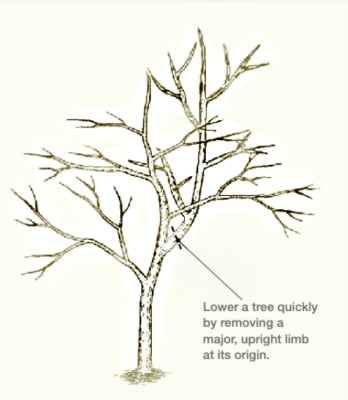
Camille discussed apical dominance, the tendency of a tree’s main growing tip to influence the growth of surrounding branches. In many tree species, maintaining a strong central leader during early development helps create a more stable structure.
One common structural concern is the development of co-dominant stems, where two competing trunks grow upward from the same point. Narrow branch unions can trap bark between the stems, creating weak attachments that may split under stress.
Cedar elms were discussed as one example of a species in which homeowners should watch for structural concerns.
Corrective pruning while a tree is young can help prevent major problems later. However, removing too much foliage or repeatedly cutting back the main leader can weaken a tree or encourage undesirable growth.
Mature trees generally benefit from conservative pruning focused on removing hazardous branches, reducing excessive weight where appropriate, and improving structural integrity.
Camille also reminded participants that repeated cutting of shoots or sprouts creates fresh wounds. Unnecessary pruning can introduce stress and, in susceptible species, increase exposure to pathogens.
A related lesson was that tree height alone does not reliably indicate age. Two trees of the same species may grow at very different rates because of differences in sunlight, moisture, soil, competition, and growing conditions.
Her broader point was that rapid growth does not always translate into long-term strength. Trees that grow quickly may also develop structural weaknesses if they are poorly maintained or planted in unsuitable locations.
Protecting Soil, Roots, and Natural Waterways
Healthy trees depend on healthy soil, and the walk provided several opportunities to discuss how soil, water, and vegetation interact.
Camille encouraged homeowners to think about their landscapes as places that can capture and absorb water rather than simply move it away.
As she put it, “You want a water catchment, not a watershed.”
The practical lesson was to slow runoff, encourage infiltration, and retain moisture where appropriate without allowing water to accumulate against foundations or other structures.
Native vegetation, fallen leaves, branches, and decomposing wood all contribute to soil health. In natural areas, deadwood can help slow water movement, trap sediment, reduce erosion, and provide habitat for insects, fungi, and other organisms.
This is especially relevant on sloped Hill Country properties, where excessive clearing can expose fragile soils to heavy rainfall.
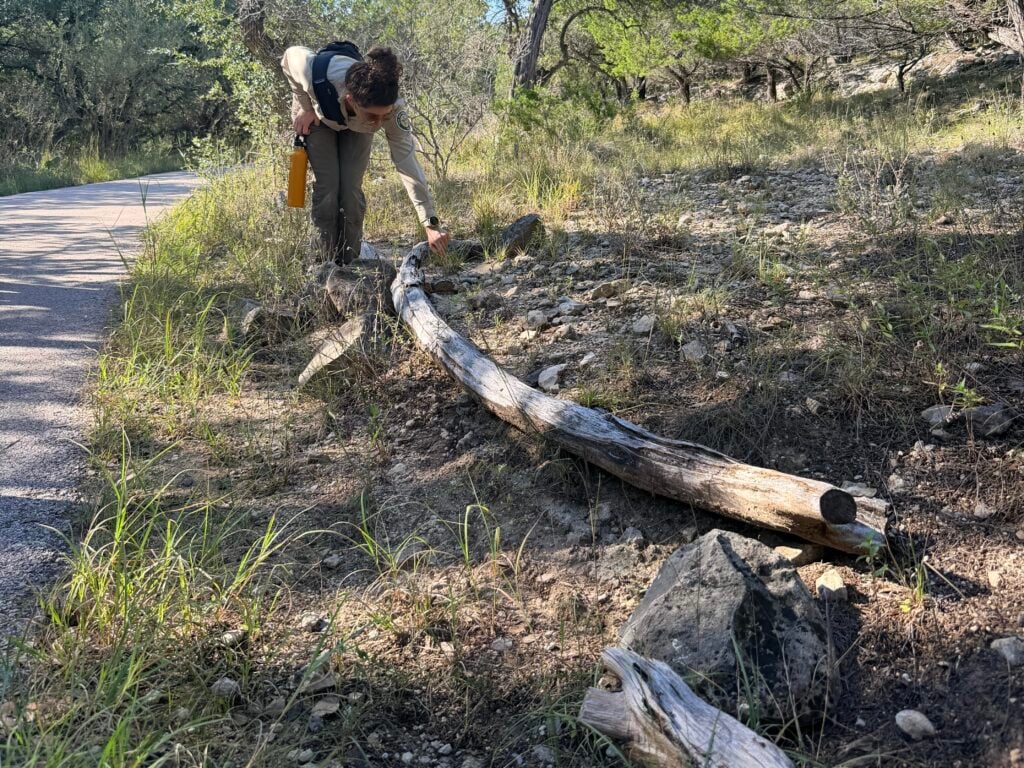
Camille explained that strategically placed fallen branches and other natural materials can help stabilize sediment. However, homeowners should avoid obstructing drainage infrastructure or creating accumulations of combustible debris near structures.
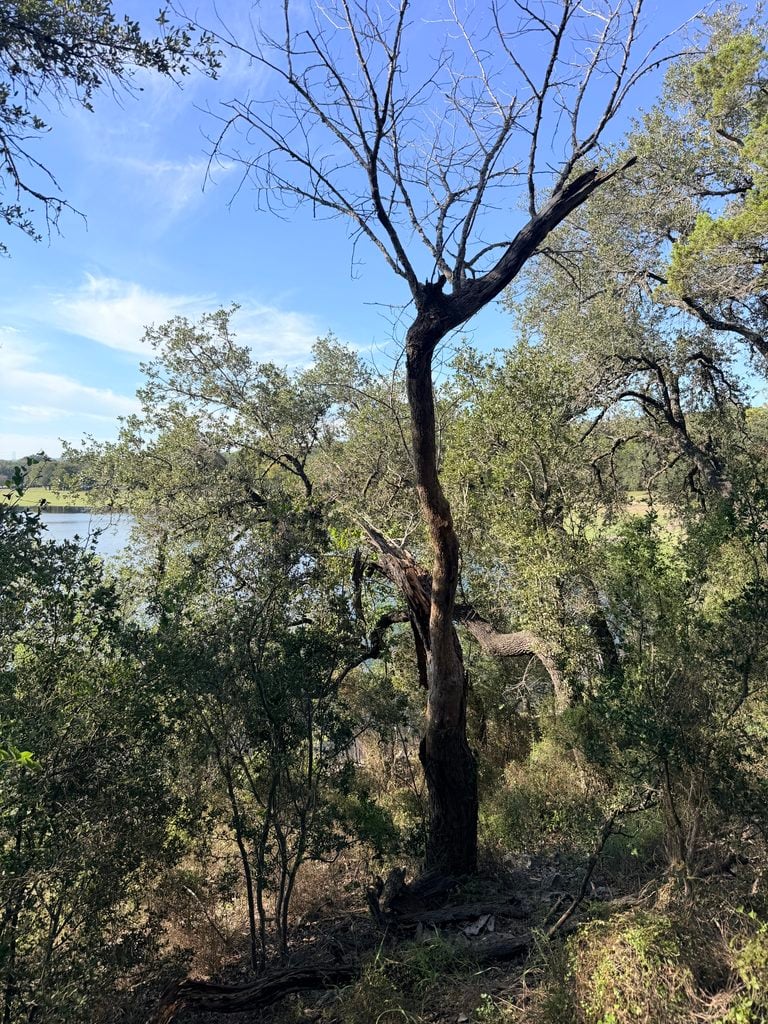
Standing dead trees, sometimes called snags, can also offer valuable wildlife habitat.
When located away from homes, trails, roads, and other occupied areas, some may be appropriate to retain. Those that pose a falling hazard should be evaluated by a qualified professional.
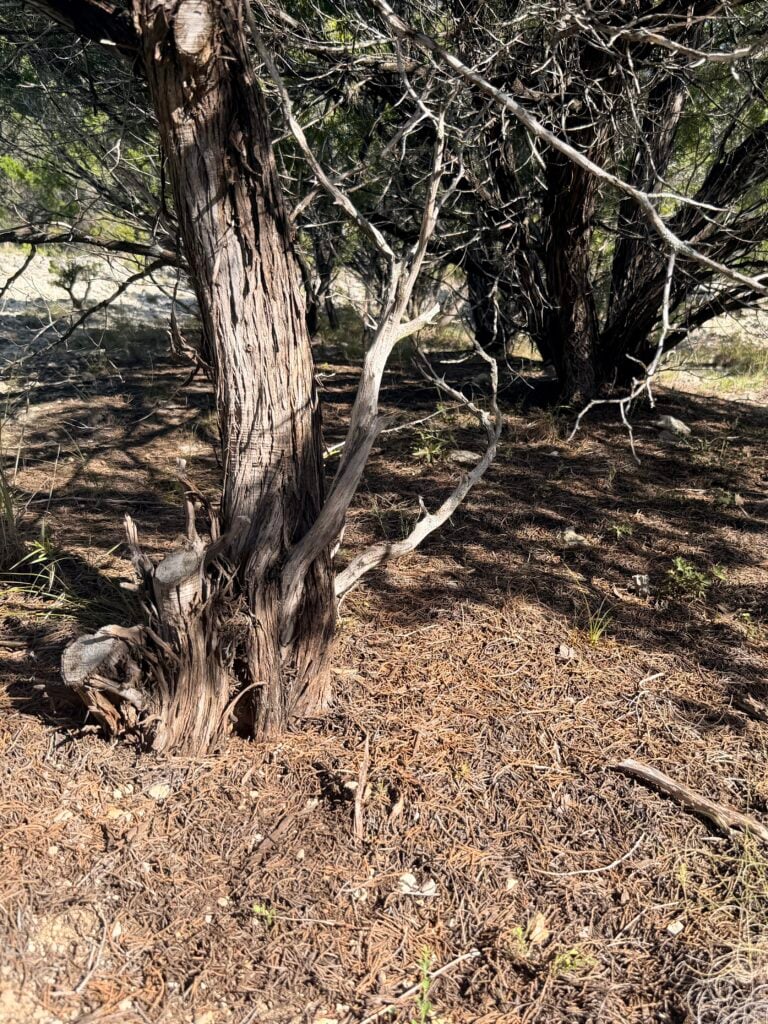
Participants also observed how junipers contribute to soil formation and stabilization in rocky landscapes.
Over time, plant roots, organic matter, and natural weathering processes help develop soil in areas where exposed limestone once dominated.
The group was encouraged to explore natural areas near waterways, where changes in soil moisture and growing conditions often support a greater diversity of trees and shrubs.
Planning for the Next Generation of Trees
A final lesson connected many of the day’s topics: successful tree management requires thinking beyond the present.
A beautiful landscape today may become vulnerable tomorrow if all its trees are the same species, approximately the same age, or susceptible to the same disease.
Homeowners can plan for long-term resilience by introducing young native trees before mature specimens decline, protecting critical root zones, choosing species suited to available space, and avoiding planting trees too close to driveways, foundations, or pavement where mature root systems may cause conflicts.
The right tree in the right location can provide decades of shade, wildlife habitat, erosion control, and environmental benefits. Selecting trees with their mature size and root characteristics in mind can reduce future maintenance problems.
What Can Homeowners Do Now?
Even small changes can make a meaningful difference. Based on the lessons from this year’s Fall Tree Walk, homeowners can begin with a few practical actions:
- Inspect your oaks. Learn the warning signs of oak wilt and seek professional advice when unusual symptoms appear.
- Evaluate your landscape for invasive plants. Consider replacing nandina, Bradford pear, and other problematic species with suitable natives.
- Assess wildfire vulnerability. Reduce hazardous vegetation near structures and consider requesting a free Lake Travis Fire Rescue home assessment.
- Plant for diversity. Include native trees and shrubs of different species, ages, sizes, and flowering seasons.
- Water intentionally. Match irrigation to plant needs, soil conditions, and seasonal weather rather than following one schedule for the entire yard.
- Protect young trees. Encourage healthy structure through appropriate early pruning and prevent soil compaction around their roots.
- Preserve natural functions. Where safe, allow native vegetation and organic materials to support wildlife, build soil, and reduce erosion.
Continuing Our Commitment to Environmental Stewardship
Lakeway MUD extends its appreciation to Camille Wiseman and the Texas A&M Forest Service for sharing their expertise, as well as to the community members who joined us for our second annual Fall Tree Walk.
The event reinforced an important message: our trees are much more than landscaping features. They are part of a living system that influences water conservation, soil health, wildfire resilience, biodiversity, neighborhood character, and quality of life.
Whether you’re planting your first native tree, managing an established landscape, or simply becoming more curious about the plants along your neighborhood trails, understanding the natural environment is the first step toward caring for it.
We encourage residents to visit Lakeway City Park and other local natural areas throughout the year, observe seasonal changes, and discover the remarkable diversity of trees and shrubs that make the Texas Hill Country unique.
By making informed choices in our own yards, we can collectively help preserve a healthier, more resilient Lakeway for generations to come.
 You are now being redirected to the WaterSmart page.