
The Basics of Landscaping with Native Plants
Gay Bonorden Gray, Best Tex Gardens
LMUD Monthly Garden Club presentation, August 18, 2025
Gay Bonorden Gray, founder of Best Tex Gardens landscaping, began her landscaping career in 2000 after a long and successful run as an intellectual property litigator specializing in patent law. Since then, her work has been featured in Sunset magazines and books—sold through Barnes & Noble and Home Depot—and showcased on HGTV multiple times. Drawing from her years of expertise, Gay brings a thoughtful approach to creating landscapes that honor both human desires and ecological needs.
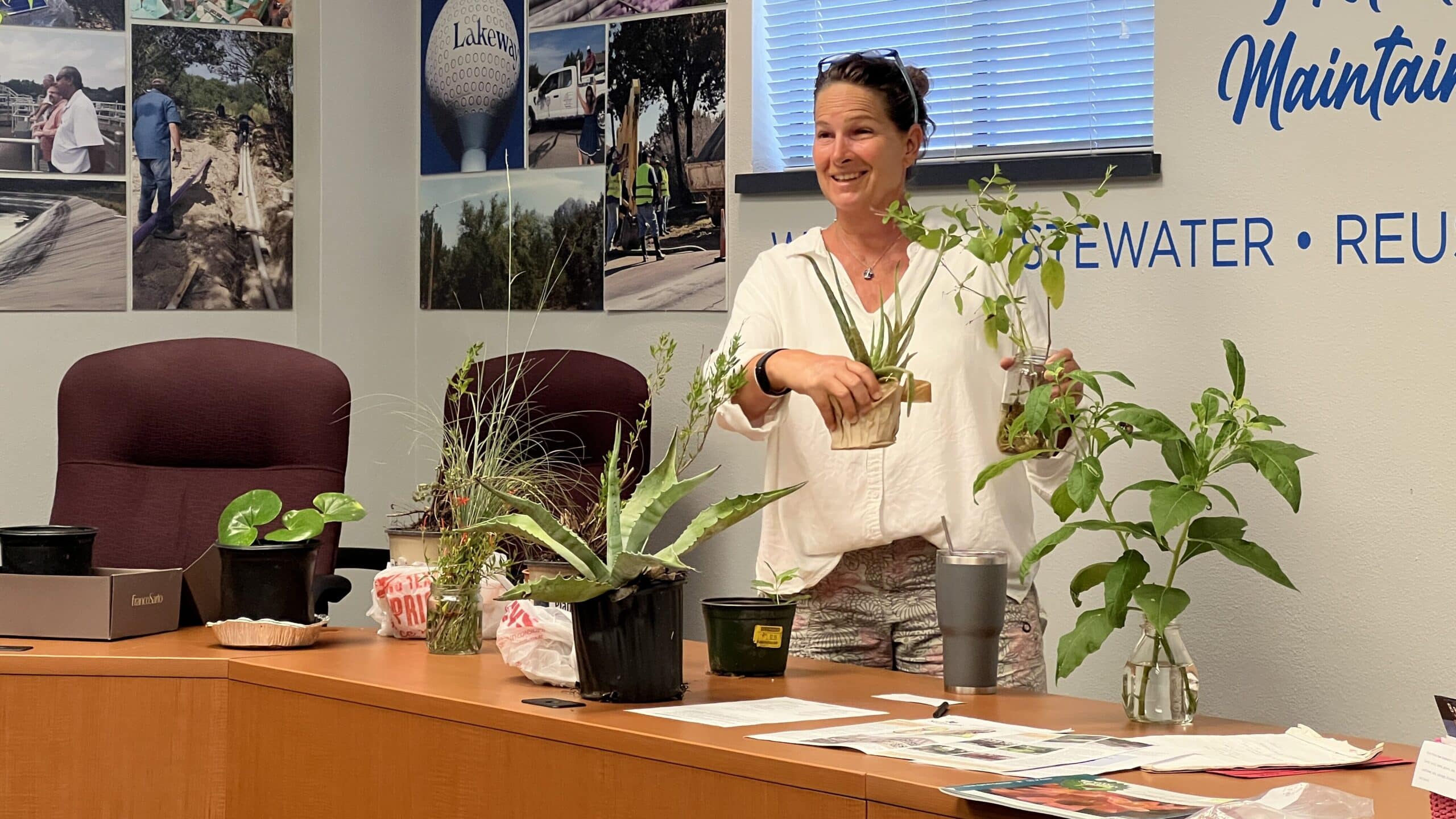
One guiding framework she uses is the Native Plant Society of Texas’s Native Landscape Certification Program (NLCP), which emphasizes designs that balance aesthetic appeal with environmental benefits.
Step 1: Assess Your Planting Area
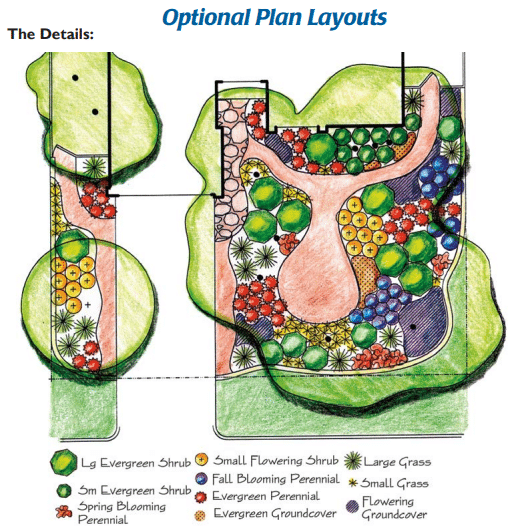
Every successful landscape design begins with understanding your space. Consider:
- How much sun or shade the area receives
- The dimensions of the space
- The slope and drainage patterns
Step 2: Choose Your Style
Landscapes can reflect different levels of planning and structure:
- Carefree: Mimics nature with minimal planning, encourages pollinators
- Structured: Carefully designed with clean lines and focal points
- Combination: A blend of natural and designed elements
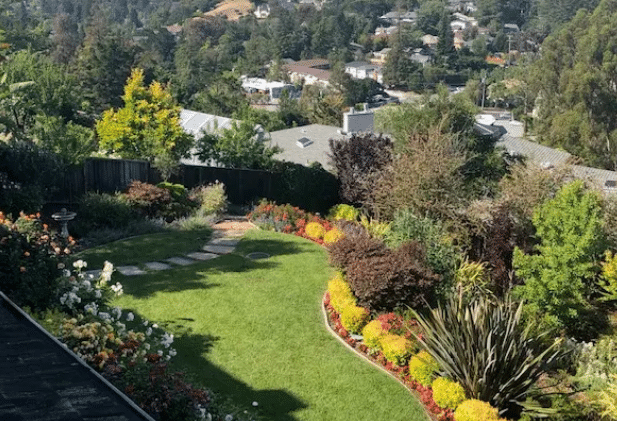
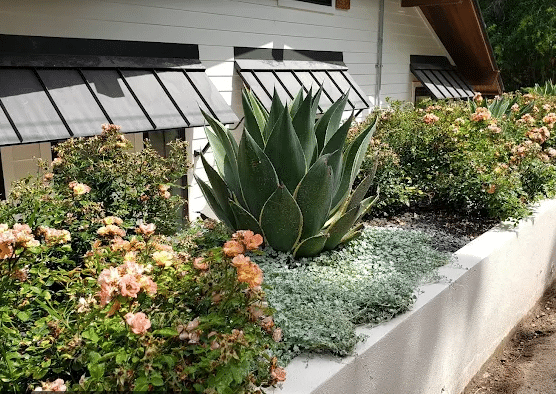
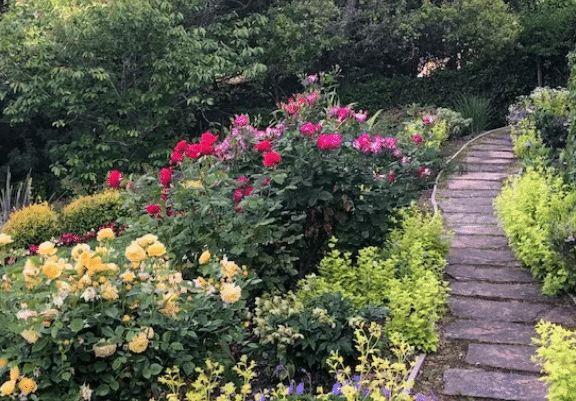
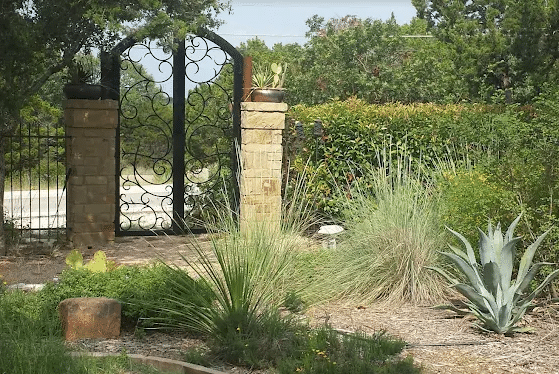
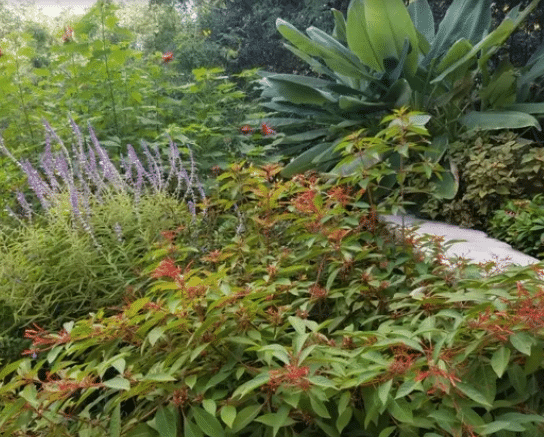
Image Credit: Best Tex Gardens
Step 3: Apply Basic Design Principles
Start with your architectural elements—the features that immediately draw the eye. These provide structure and a foundation to build around. Examples include:
- Trees: The Western Soapberry is a native choice, though young trees should be protected from deer rubbing in the fall with fencing or tree guards.
- Ornamental Grasses: Big Muhly adds graceful movement.
- Agaves and Cacti: Plants like the Spineless Prickly Pear Cactus or Century Plant Agave make bold statements.
- Hardscaping: Paths, fountains, or stonework can anchor and enhance plantings.
From there, incorporate repetition and contrast for visual interest. Pair contrasting foliage and bloom times, such as:
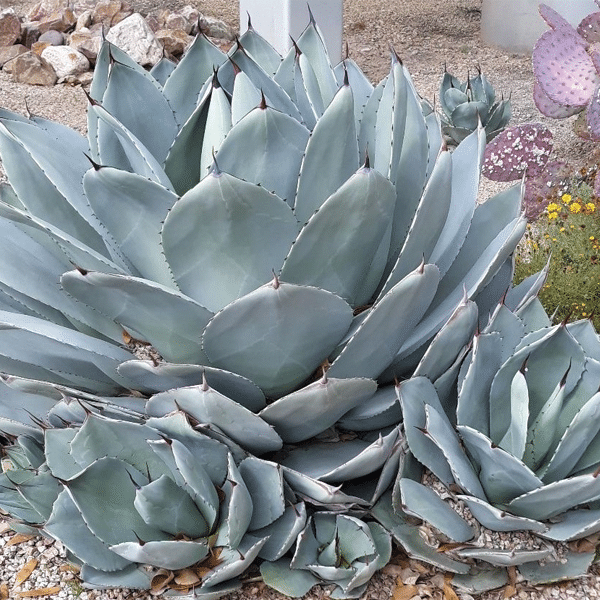
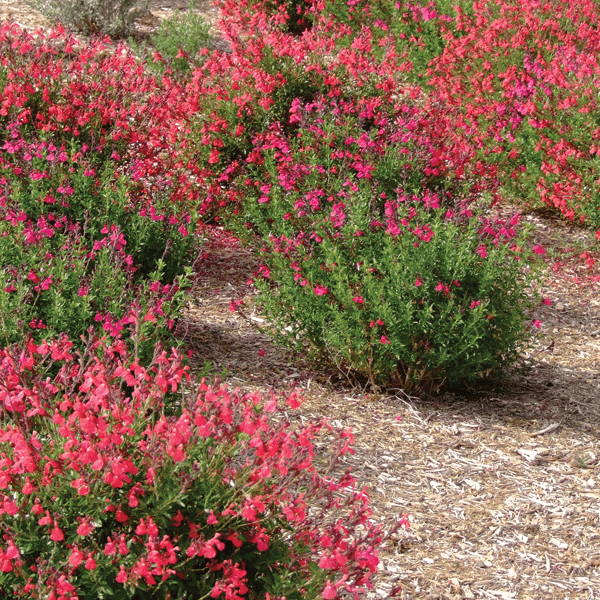
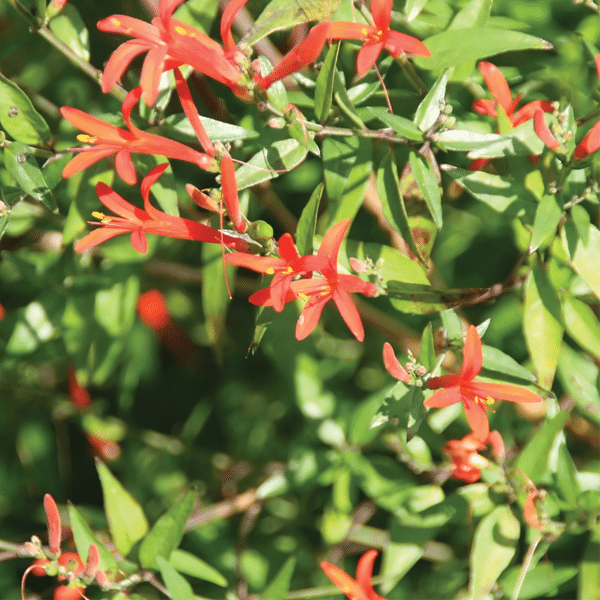
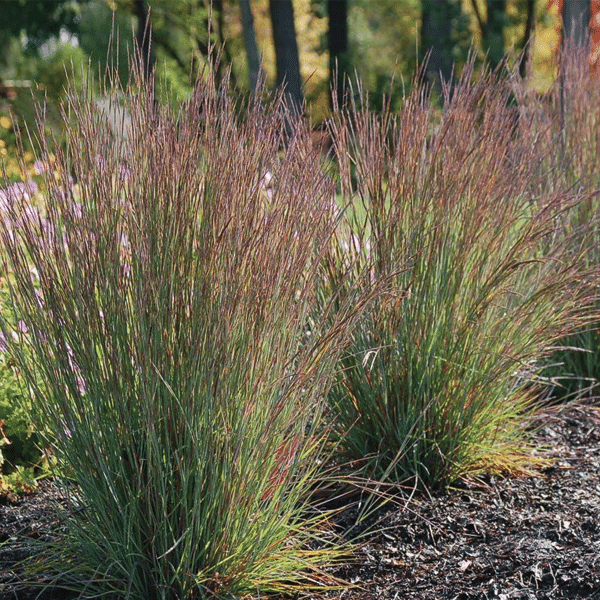
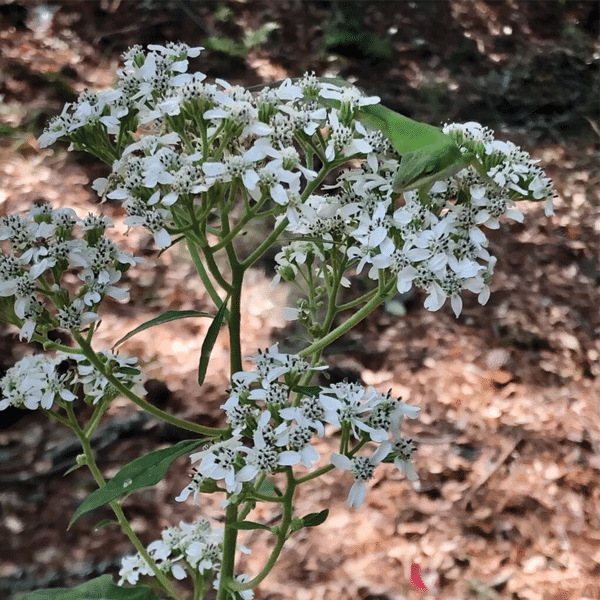
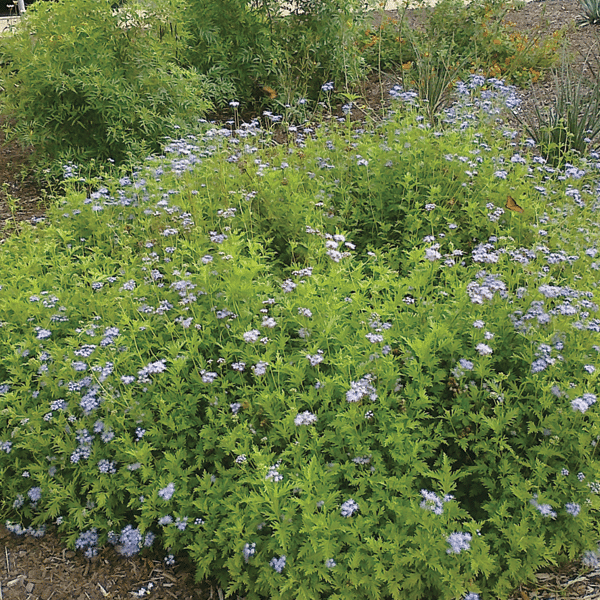
Be sure to include evergreen “bones” in the design to maintain structure throughout dormant seasons.
Equally important is building healthy soil, which is the foundation for thriving plants (a subject for another discussion).
Step 4: Plan for Year-Round Interest
Include a variety of species so something is always blooming at various times throughout the year. This not only provides beauty, but also supports pollinators across seasons. Keep in mind that landscapes evolve; refreshing your beds every 5 to 7 years helps maintain vibrancy. Whenever possible, transplant existing plants rather than replacing them.
Step 5: Use Mulch and Turf Alternatives
Mulch conserves water—reducing usage by up to 25%—and should be maintained at 1 to 4 inches deep. For turf alternatives that are more sustainable than traditional lawns, consider native ground covers such as silver ponyfoot, frogfruit, horseherb, buffalo grass, or blue grama grass. Many of these can handle minimal foot traffic, with frogfruit and horseherb being among the most resilient.
Resources for Getting Started
For Central Texas gardeners, excellent sources for purchasing native plants include:
- Local Nurseries: The Natural Gardener, Barton Springs Nursery, Hill Country Water Gardens & Nursery, The Great Outdoors, and Backbone Nursery are few great local retailers to check out for native plants. Ask their helpful associates for advice!
- Online Sources: Native American Seed is based in the Texas Hill Country and only offer seeds from plants that are native to our bioregion.
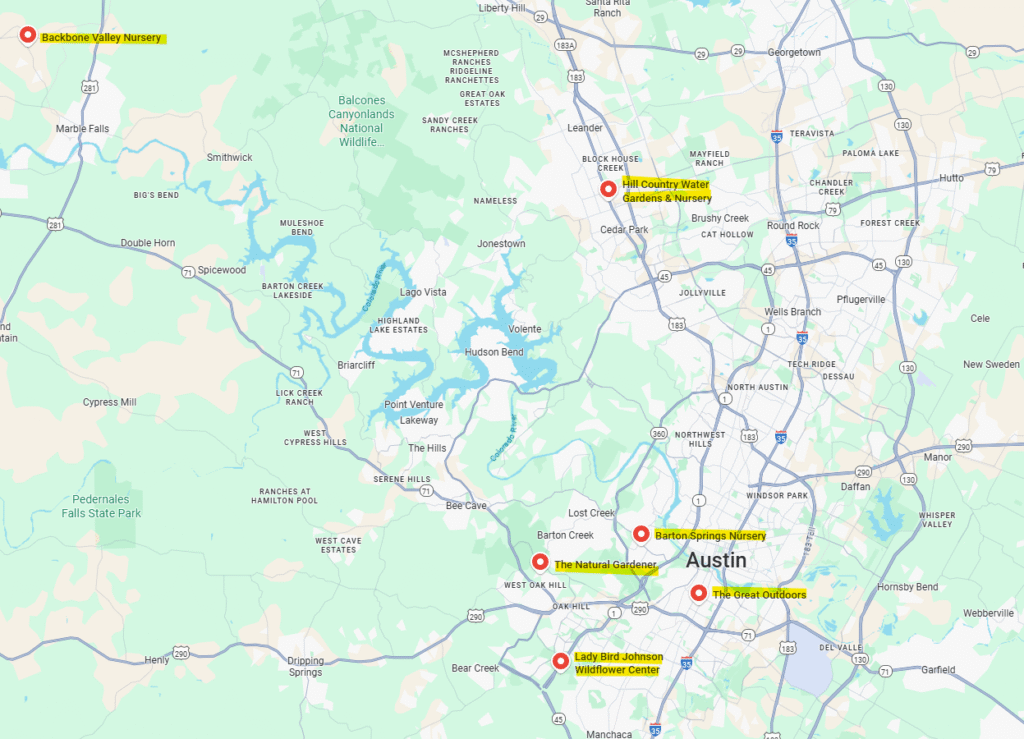
Sources for guidance on planting include:
- Lady Bird Johnson Wildflower Center: The Wildflower Center is a great source of inspiration, with demonstration gardens, classes, and periodic plant sales.
- Texas Master Gardeners: The Extension Master Gardener program is a community service program offered by land-grant universities and their associated Cooperative Extension services to spread horticultural knowledge to the public. Volunteers of the Texas division receive training in horticulture and then share that knowledge through various community outreach projects, such as answering gardening questions, maintaining community gardens, and conducting classes. To call the Texas Master Gardeners for gardening advice, you should contact your specific county’s Texas A&M AgriLife Extension Service office by first visiting the Texas Master Gardeners website at txmg.org and using their locator tool to find the phone number for your local office. The Texas Master Gardener program is administered locally, so you will connect with the Master Gardeners in your county rather than a single statewide line.
- Grow Green Publications: The City of Austin publishes a series of educational pamphlets that promote sustainable landscaping practices. My two favorites are the Native and Adapted Landscape Plants guide and Landscape Design.
 You are now being redirected to the WaterSmart page.